

ANALYSIS: Chapter 27 “Love”
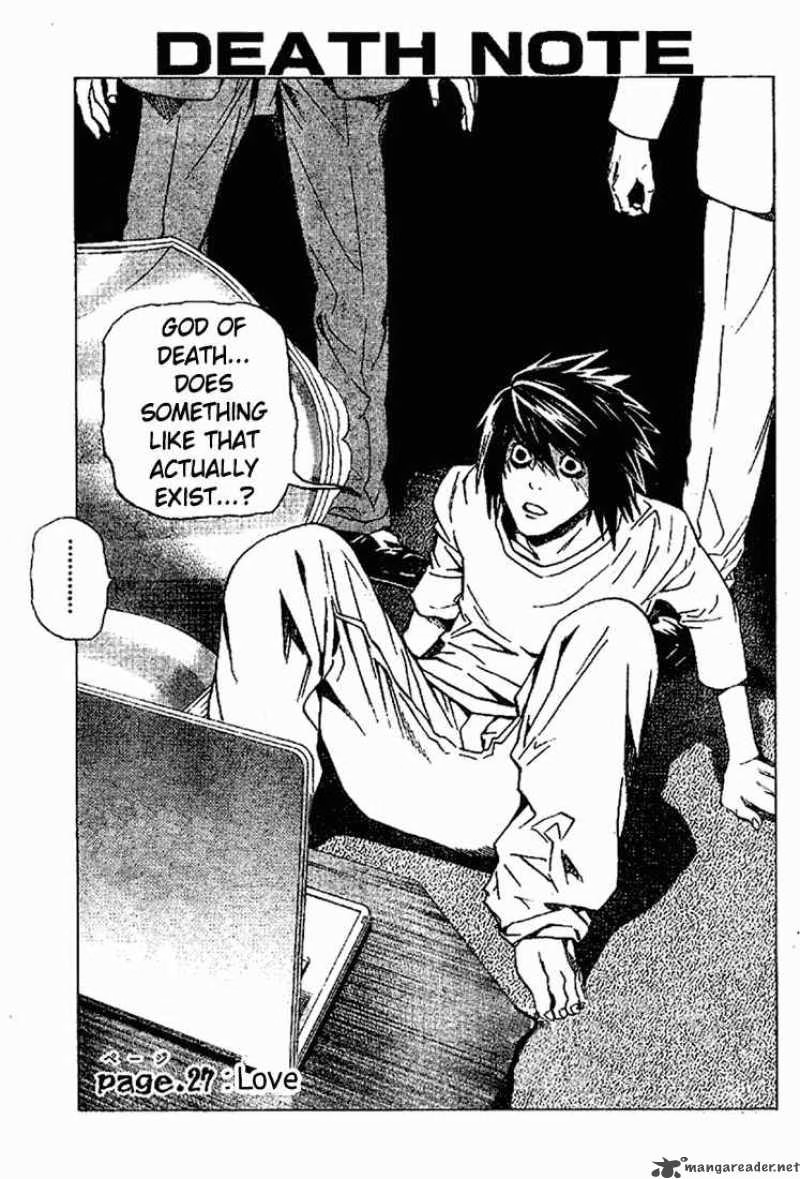
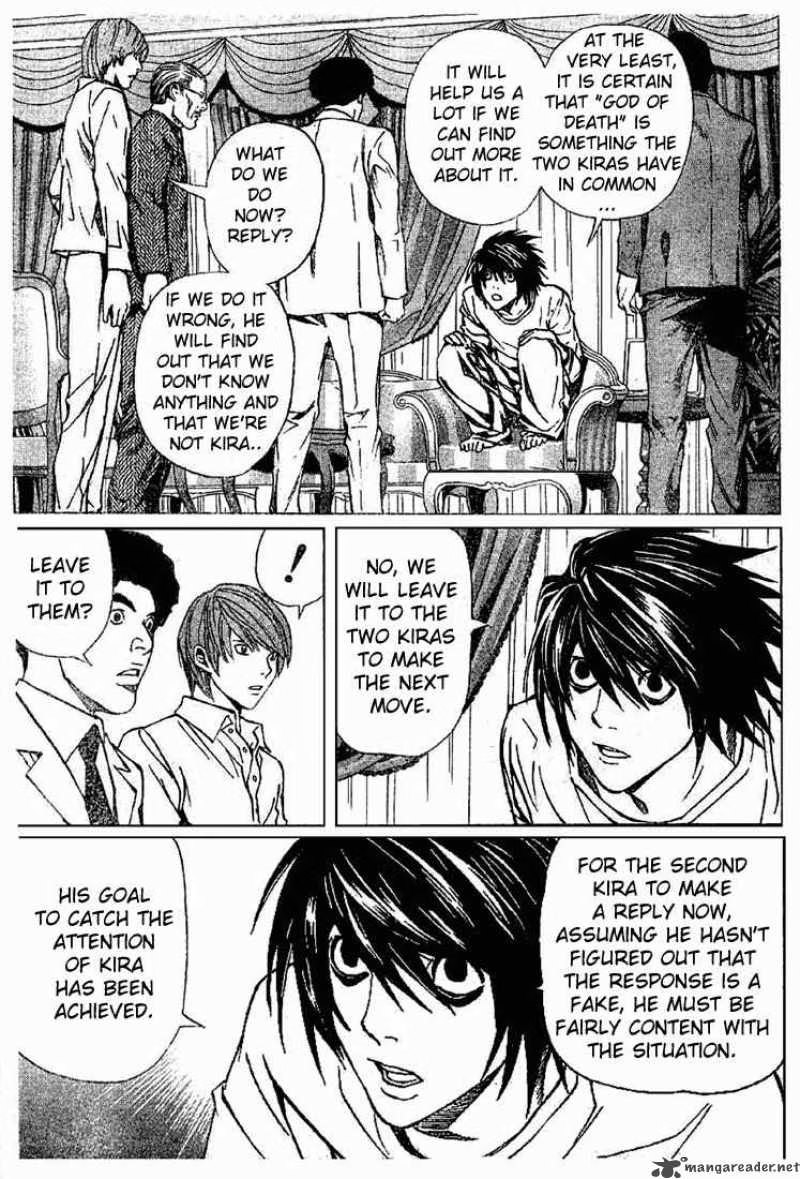
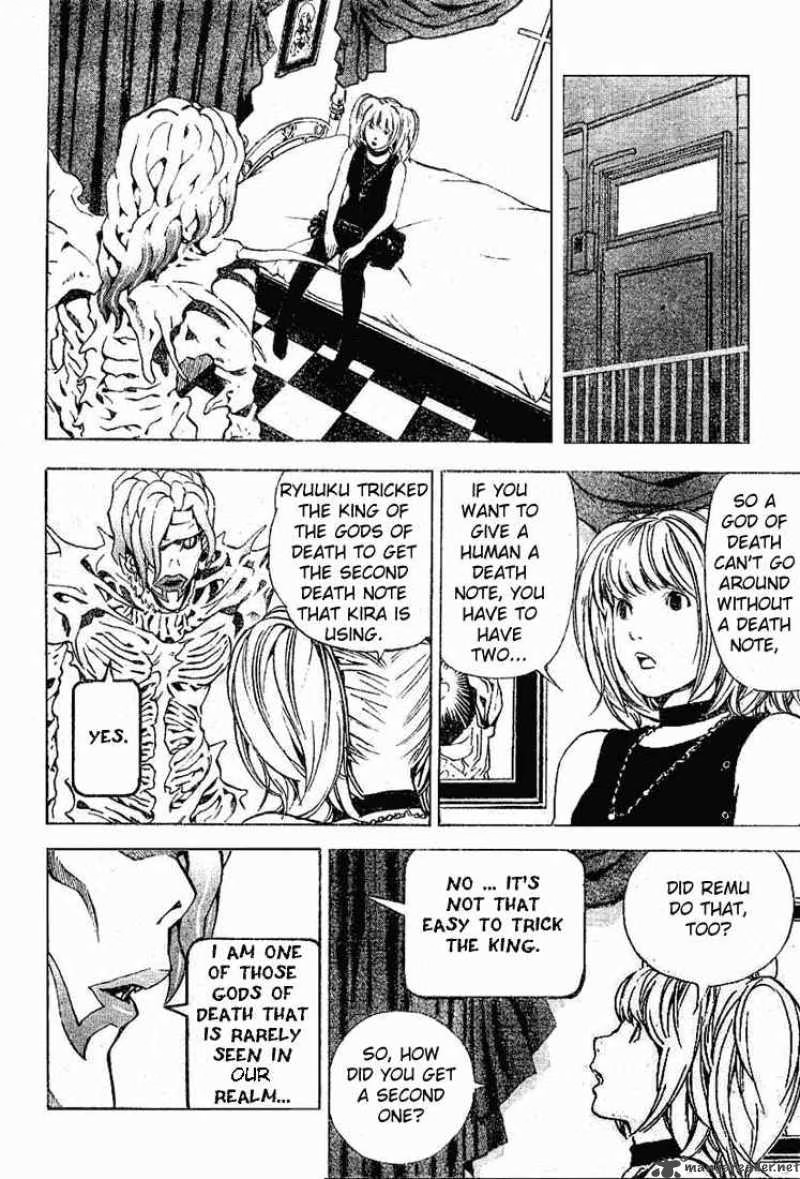
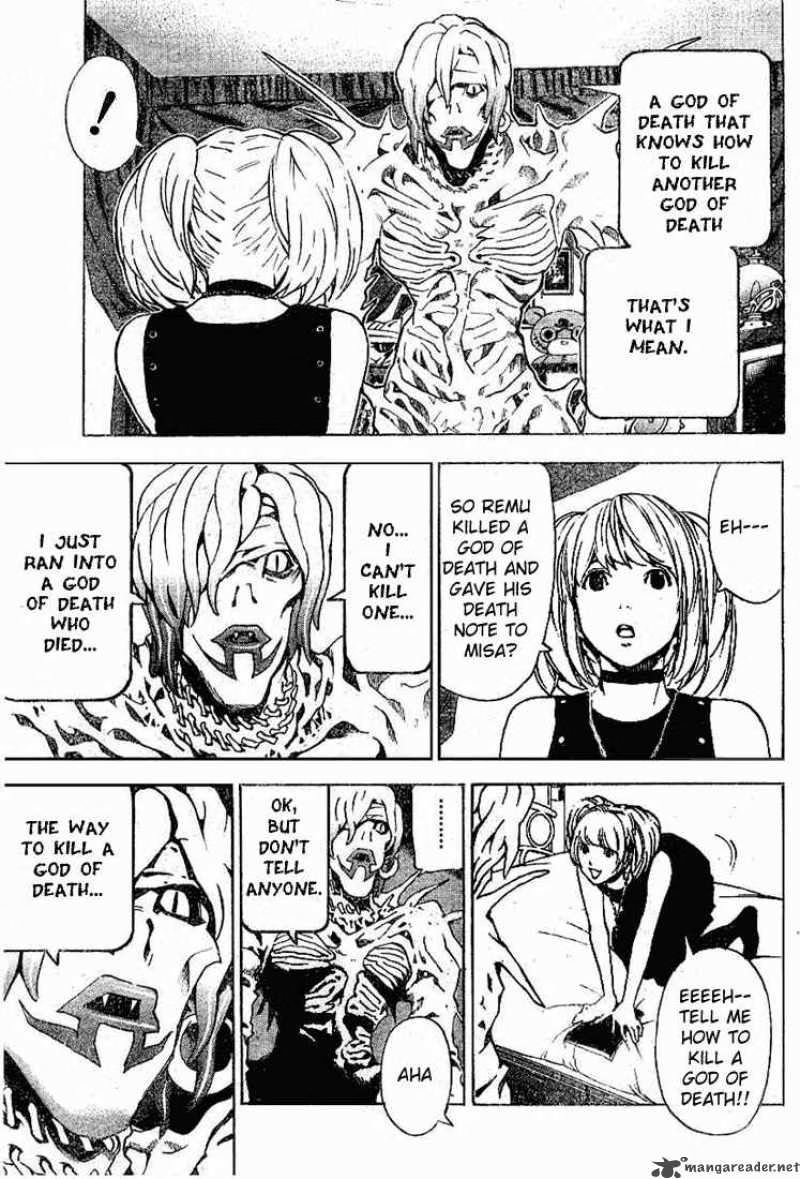
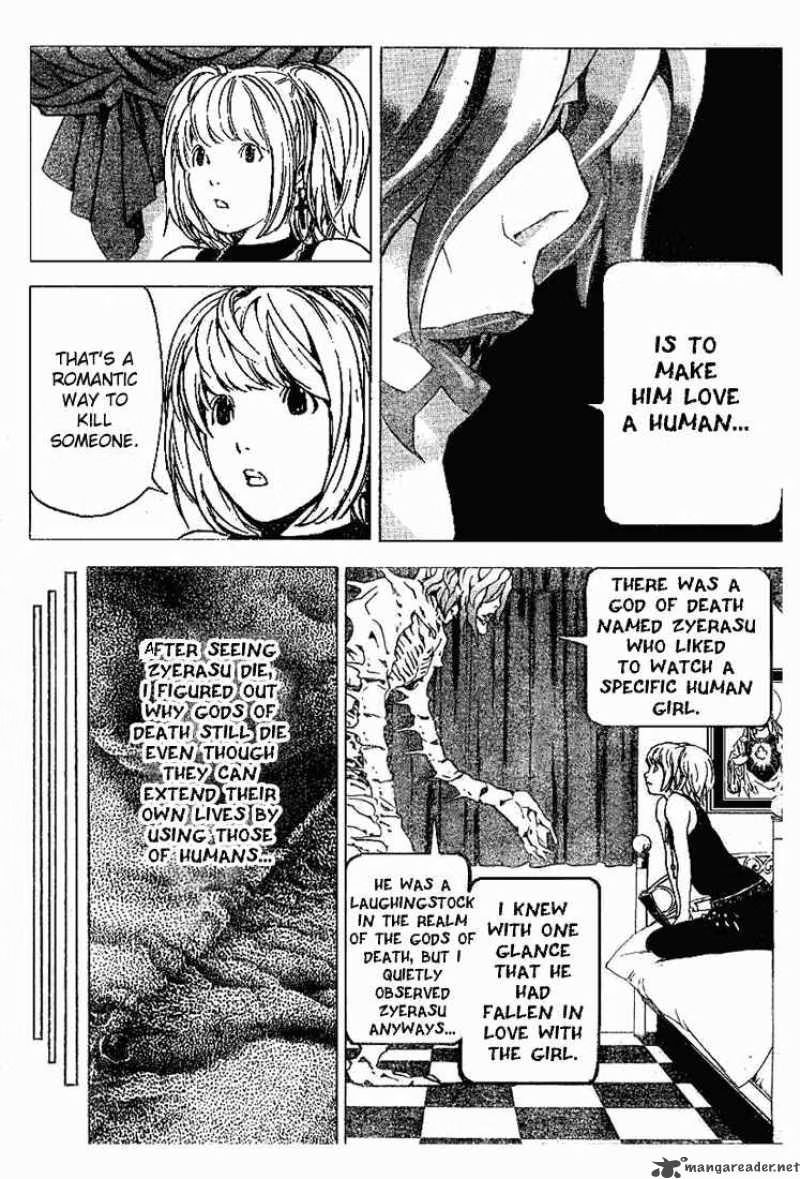
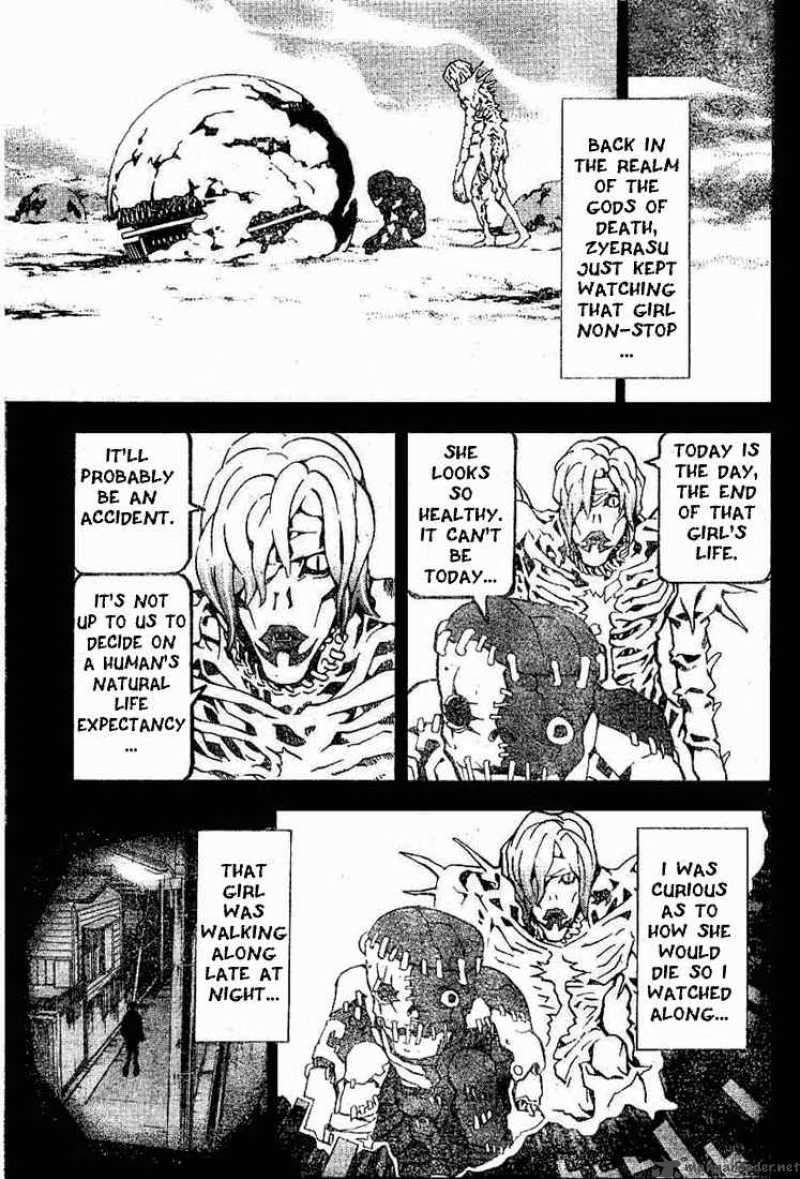
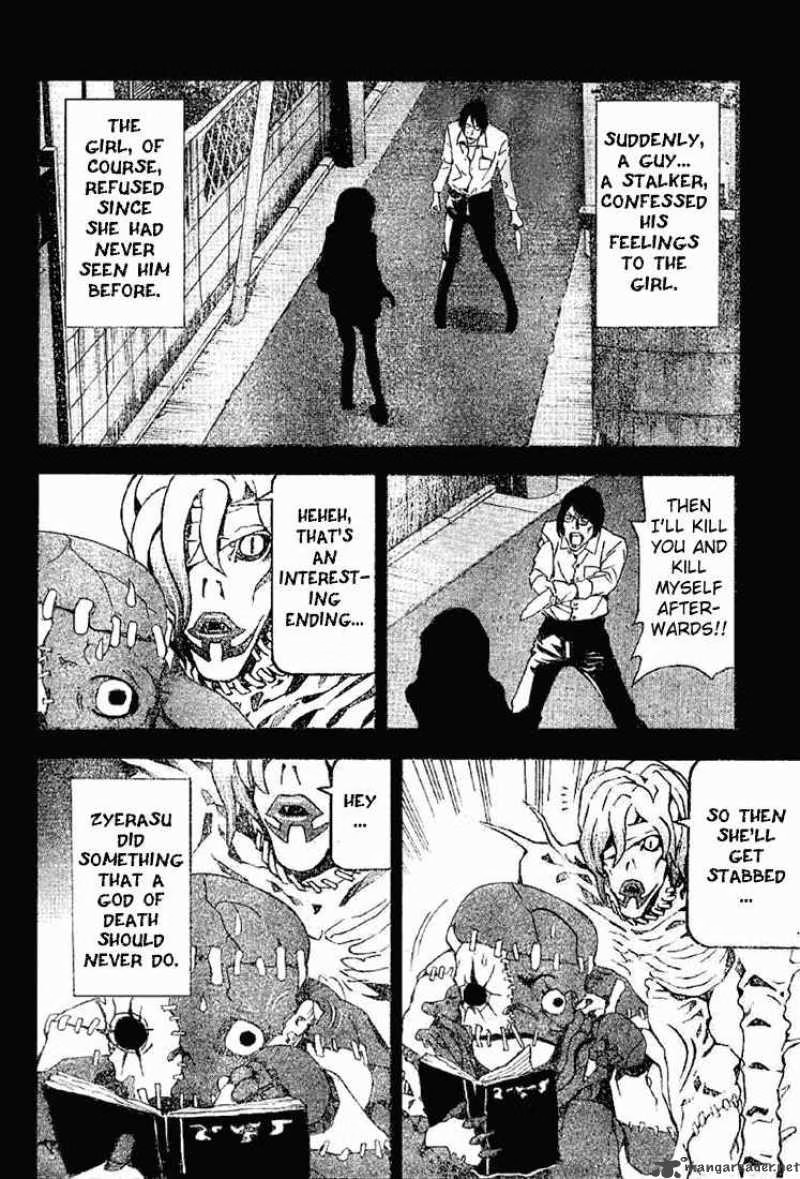
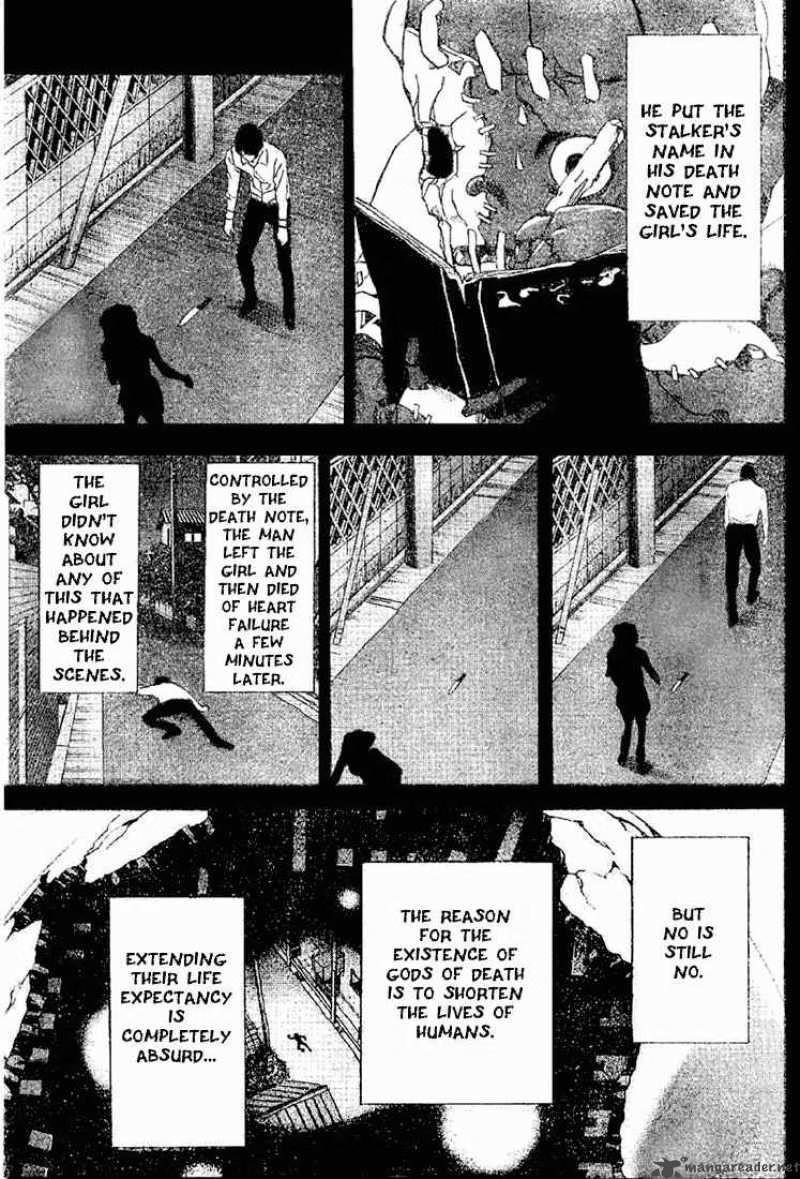
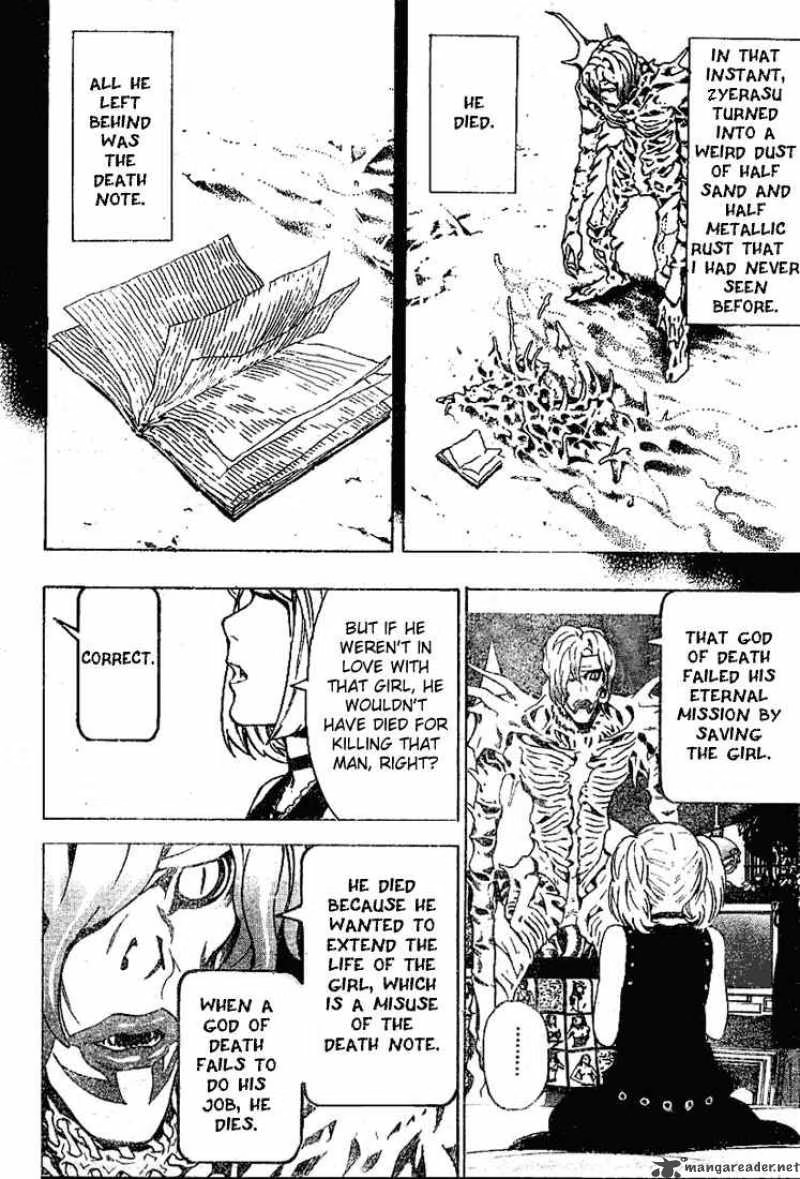
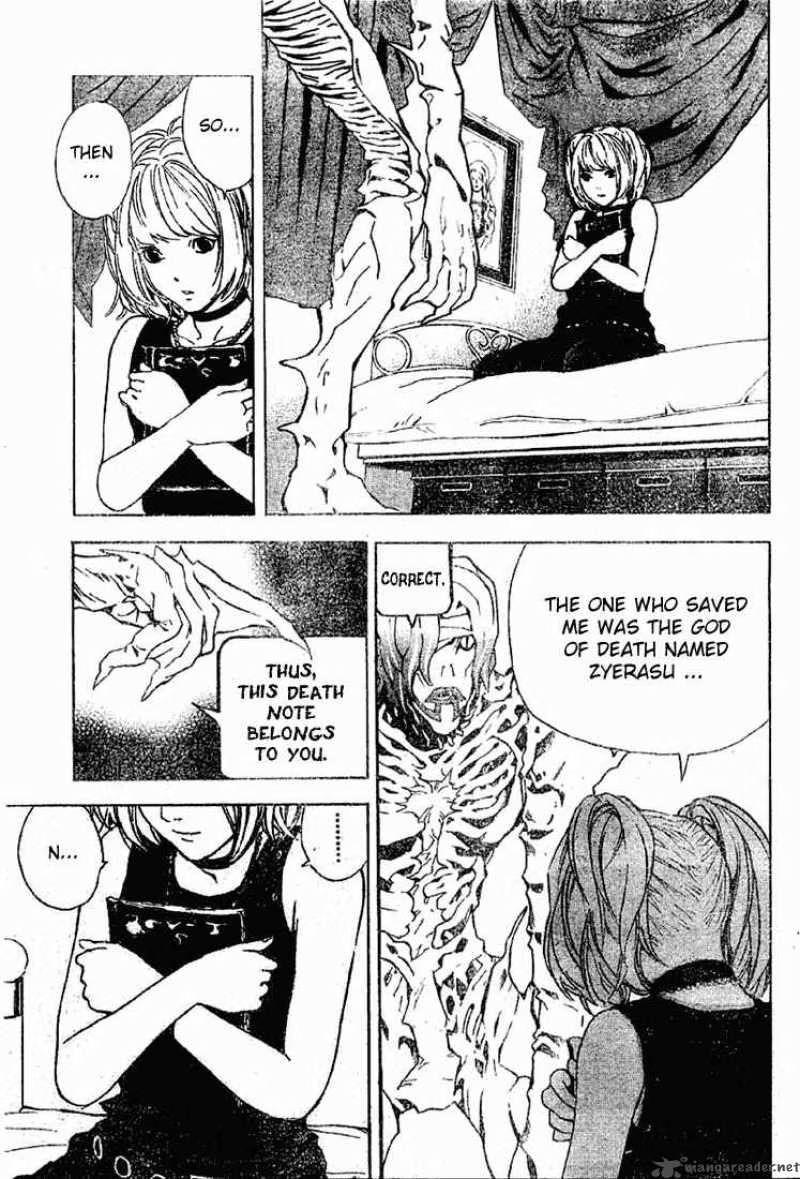
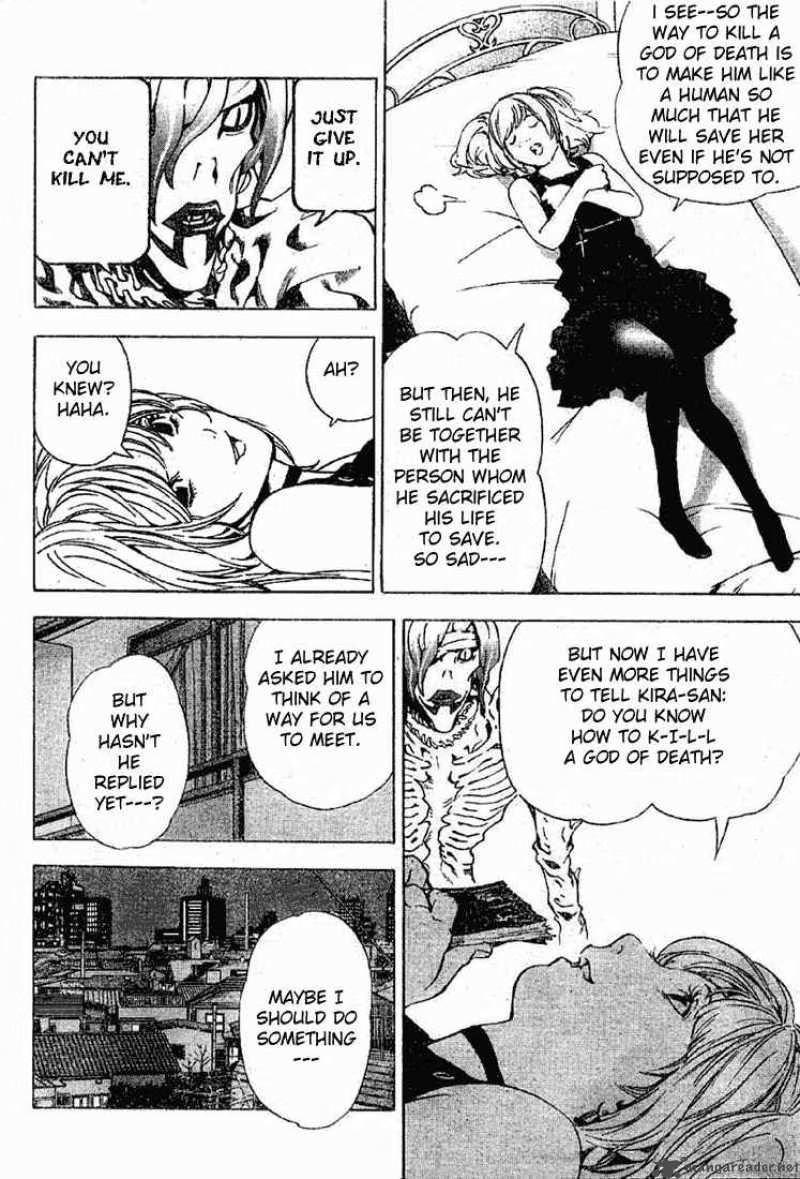
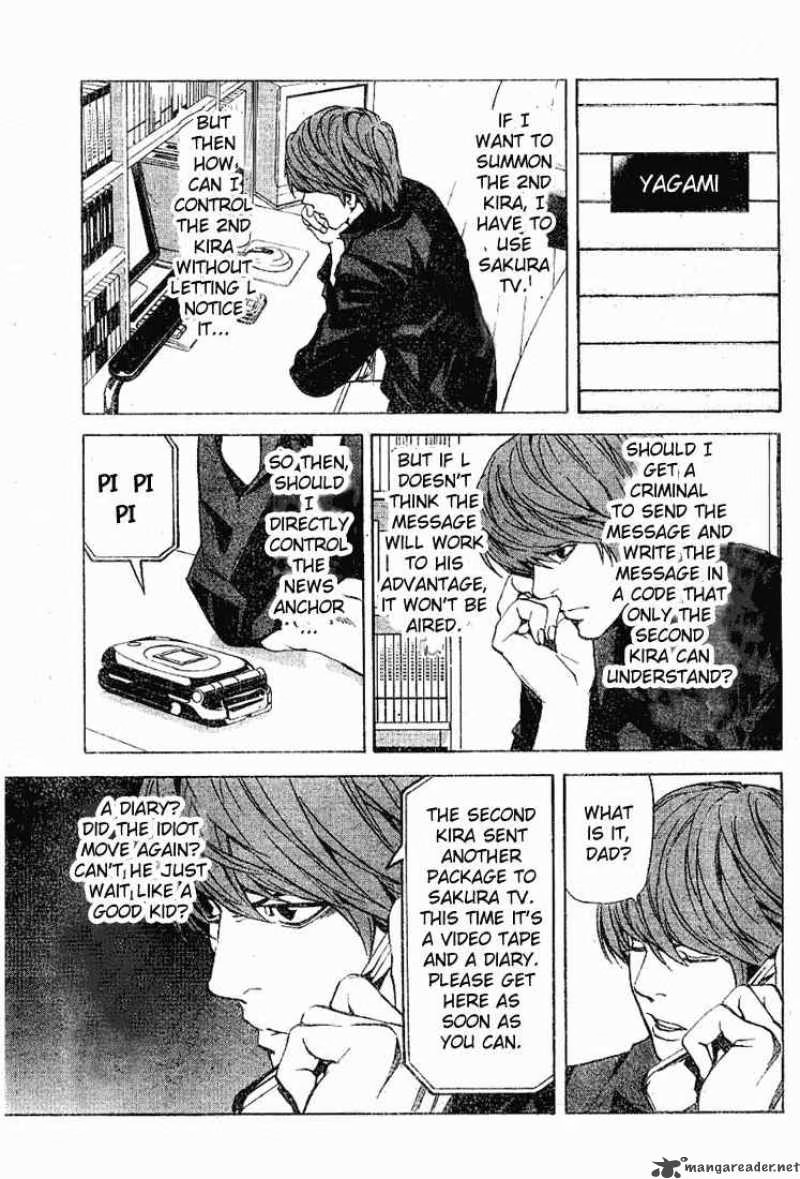
In the penumbra of Tokyo’s neon‑washed streets, chapter 27 unfurls like a moonlit requiem, casting the cat‑and‑mouse saga of Kira and L into an even darker chiaroscuro. The psychological stakes have transmuted from a mere contest of wits into an existential duel wherein each strand of their conviction is a razor‑edged filament of conscience. The reader is drawn into an oppressive atmosphere that feels simultaneously intimate and labyrinthine, as if the very walls of the Shinigami realm are breathing in tandem with the protagonists’ fractured psyches.
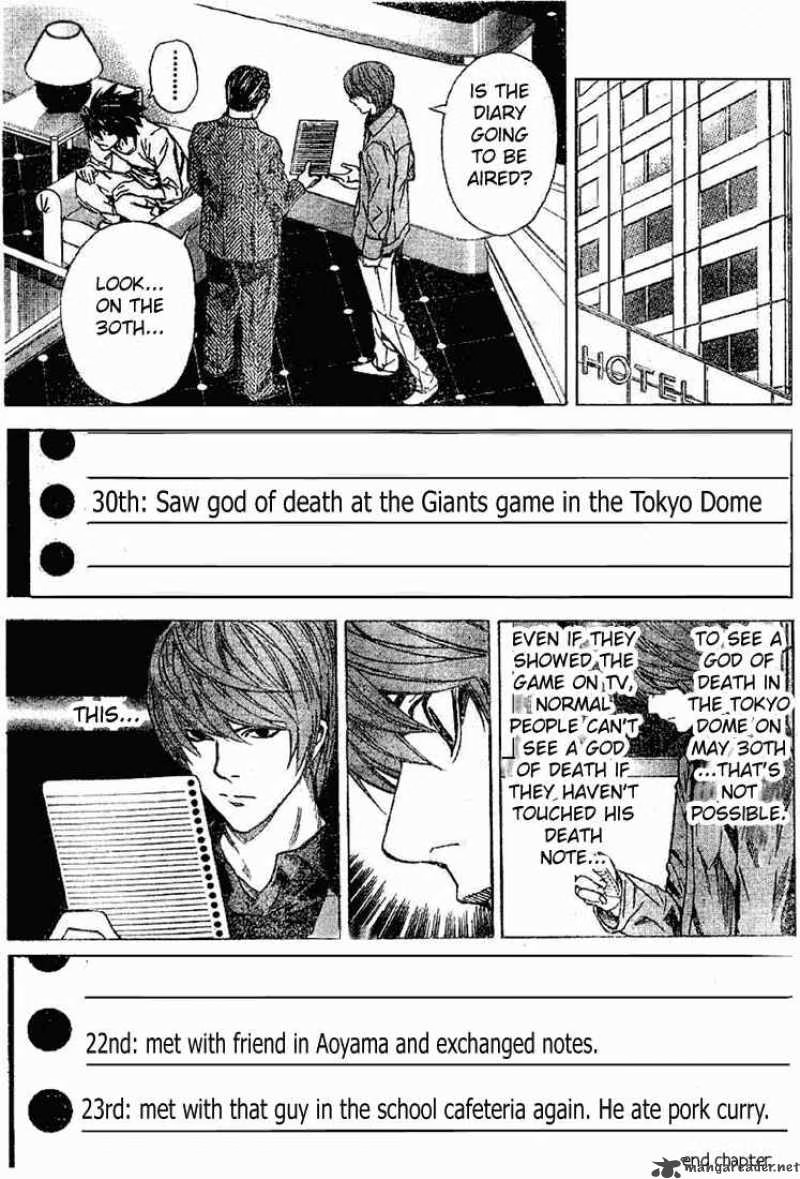
From the outset, the narrative employs gothic motifs—rain‑slicked alleys, flickering streetlamps, and the ever‑present silhouette of the Death Note itself—to amplify the internal dissonance that pervades both Kira and L. Light Yagami’s ideological armor, once polished by a self‑crafted sense of divine justice, now bears cracks that bleed paranoia. His calculated manipulation of Misa’s lingering affection becomes a grotesque tableau of love weaponized, rendering affection a conduit for mortality rather than redemption. In stark opposition, L’s methodical tenacity is painted with the cold, clinical brush of a detective who treats human emotion as both clue and contaminant. The chapter’s pacing—fragmented flashbacks interwoven with present‑day interrogations—mirrors the fracturing of their moral compasses, each cut scene a scalpel that exposes the raw nerves of their belief systems.
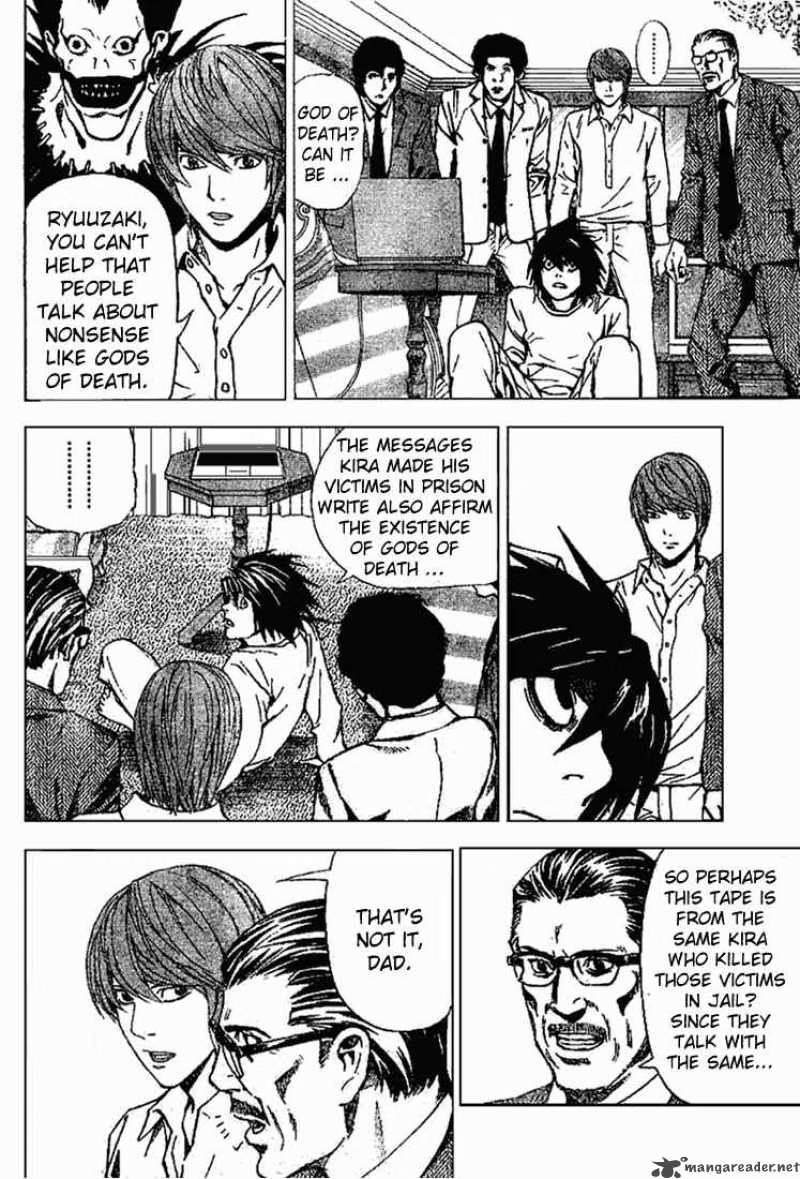
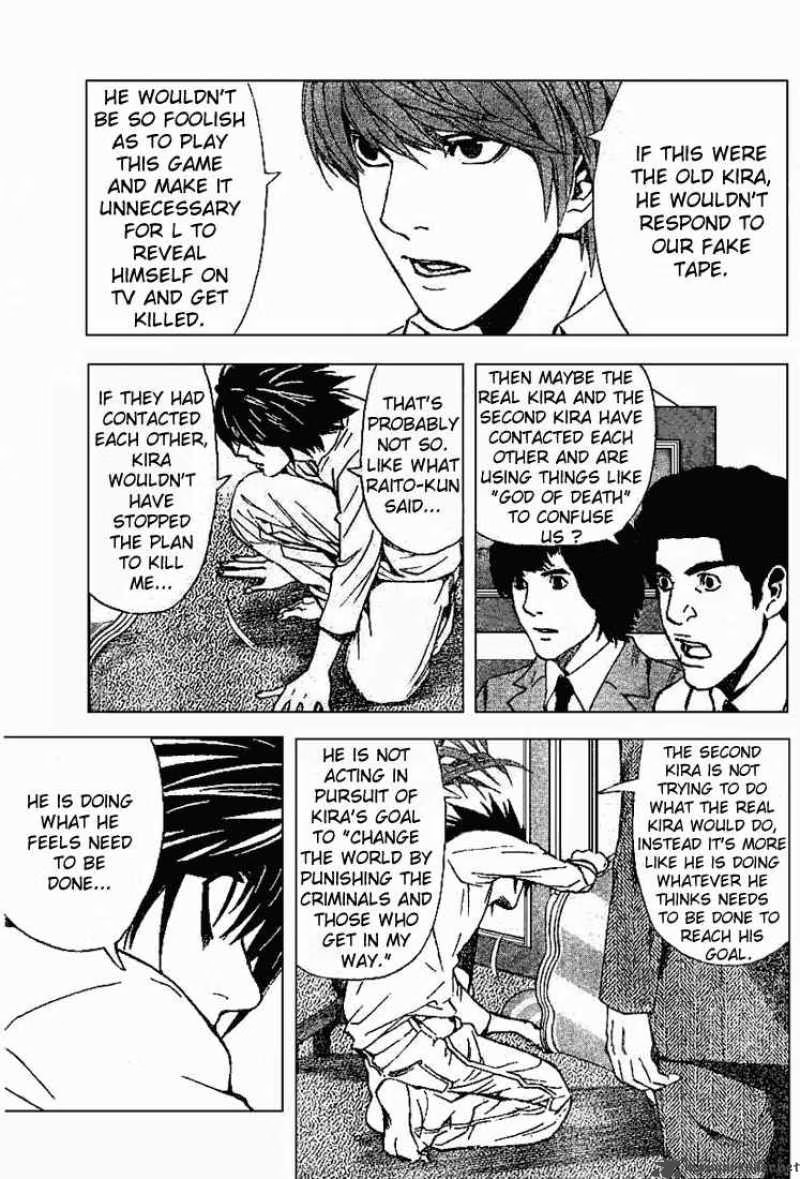
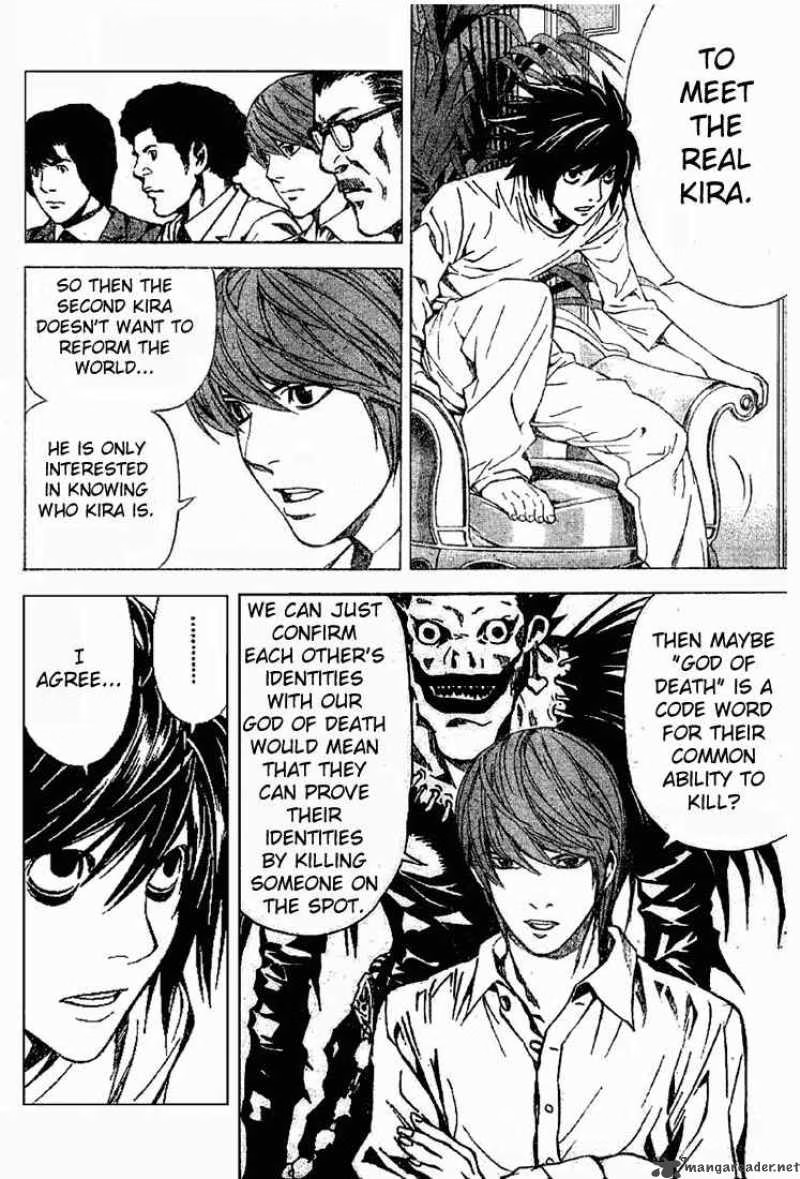
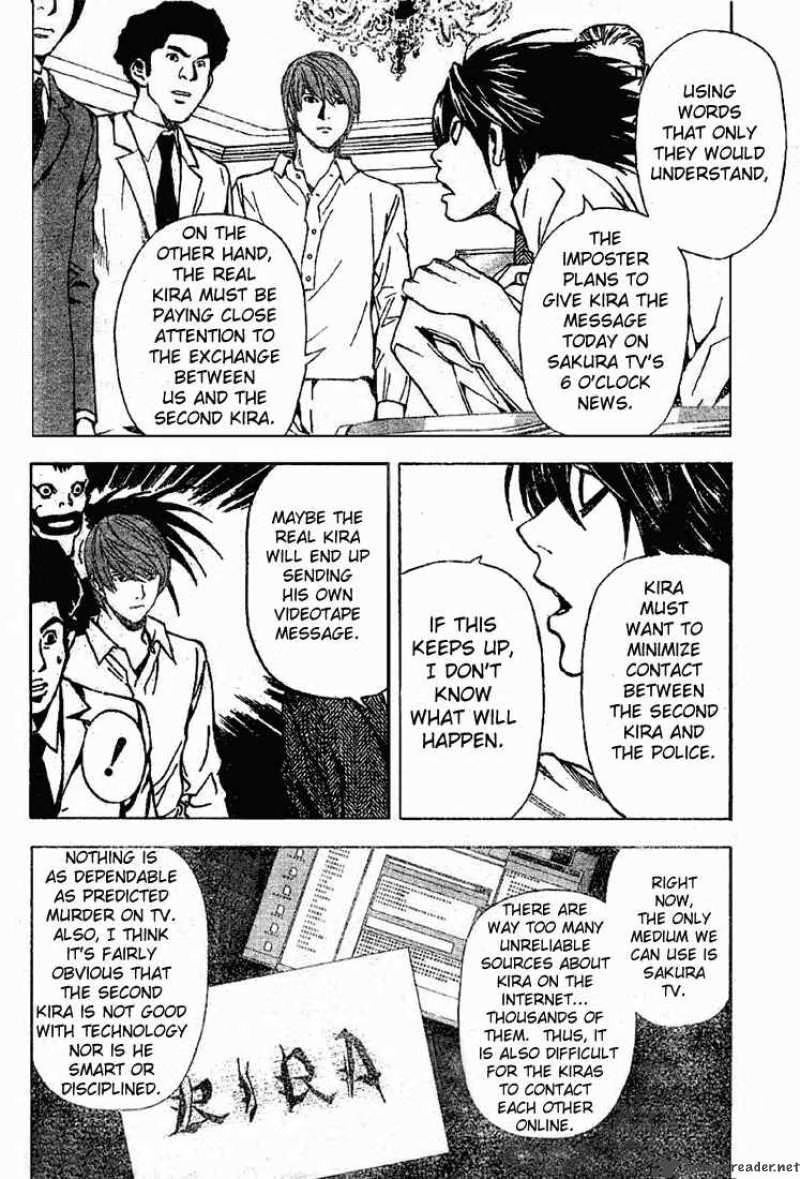
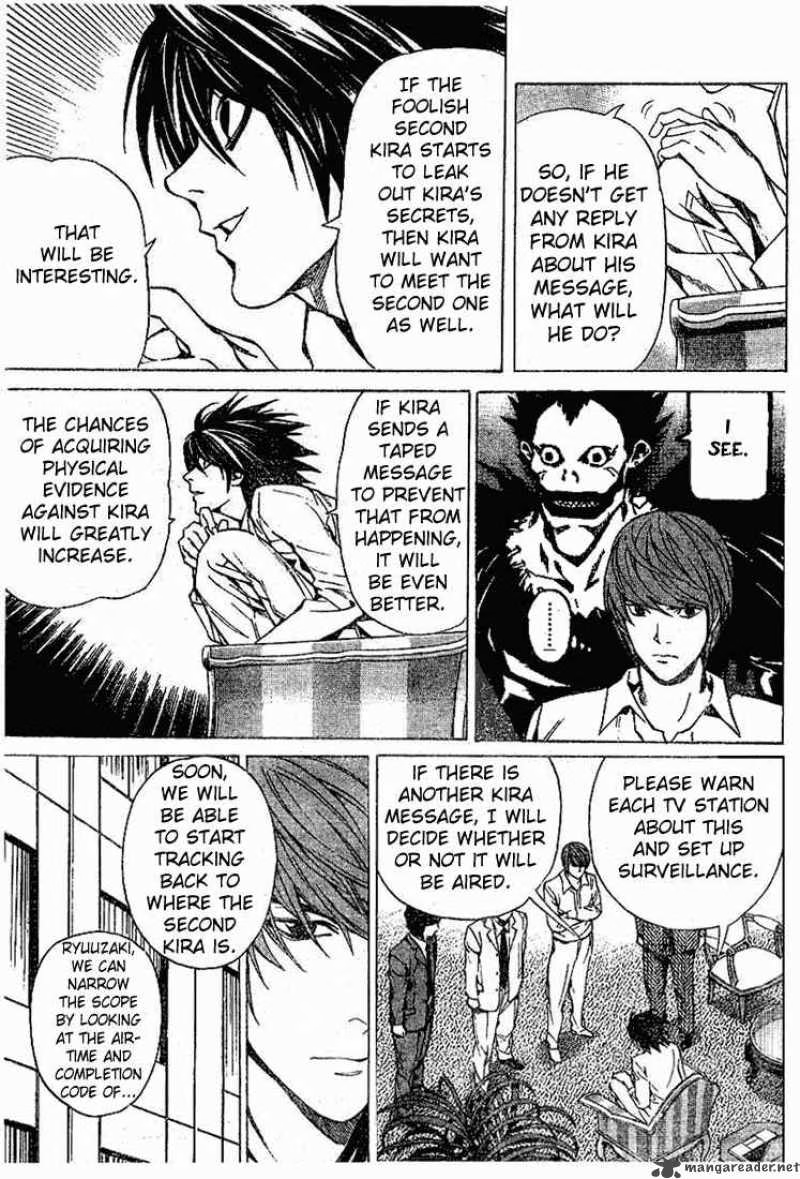
The clash of ideologies is not merely intellectual; it is an alchemical reaction of darkness and light that ignites the atmospheric tension. Light’s nihilistic utilitarianism, cloaked in the veneer of a messianic mission, collides with L’s relentless pursuit of empirical truth, an almost sacrosanct commitment to order. Their dialogue, dripping with sardonic barbs and veiled threats, functions as a gothic aria, each line echoing through the hollow corridors of the investigation. The chapter’s visual palette—deep indigos, blood‑red accents, and pallid shadows—acts as a visual soliloquy that underscores the psychological warfare at play.
Moreover, the chapter’s structure functions as a noir narrative device: the audience is kept at arm’s length, forced to parse truth from deception as the plot thickens with each revelation. The interspersed monologues reveal the inner monologue of Light, who rationalizes murder as an act of love, while L’s internal musings depict a mind obsessively dissecting every potentiality, haunted by the specter of his own mortality.
Investigative Takeaway: Chapter 27 crystallizes the gothic portent that love, when perverted by absolute power, becomes a conduit for annihilation. The relentless ideological collision between Kira’s self‑appointed divinity and L’s immutable empiricism fuels a psychological maelstrom that is as much about the destruction of self as it is about the eradication of the other. In the chiaroscuro of Tokyo’s night, the true murder weapon is not the Death Note, but the corrosive belief that either justice or truth can exist untainted by human frailty.