

ANALYSIS: Chapter 31 “Easy”
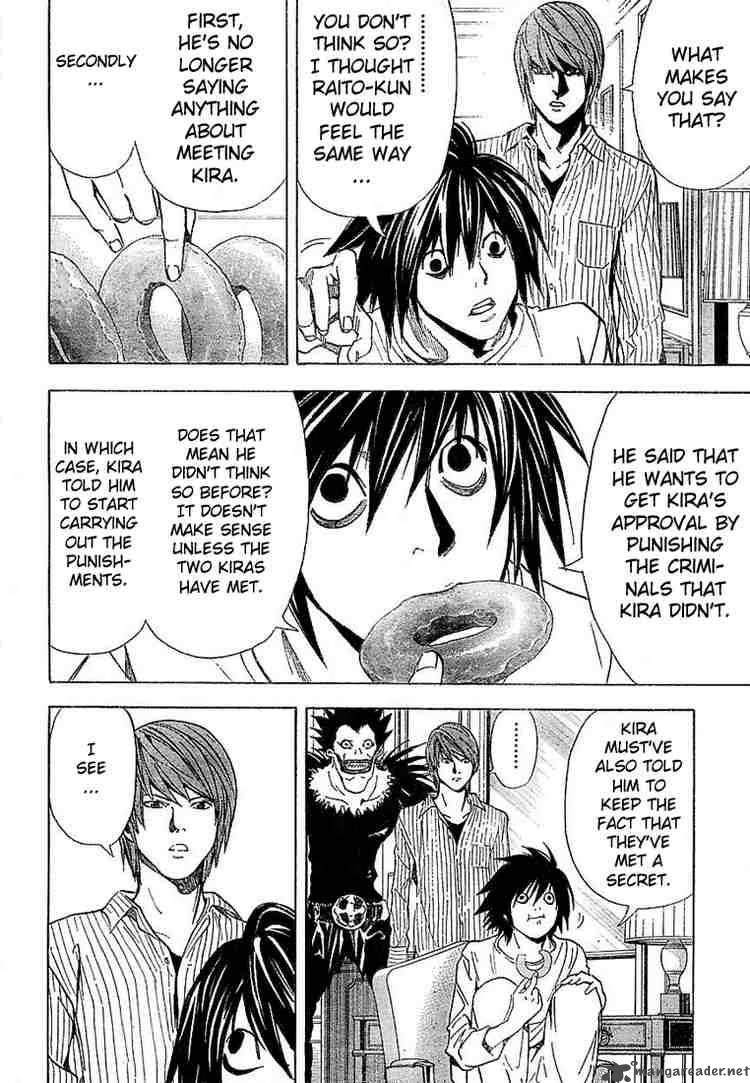
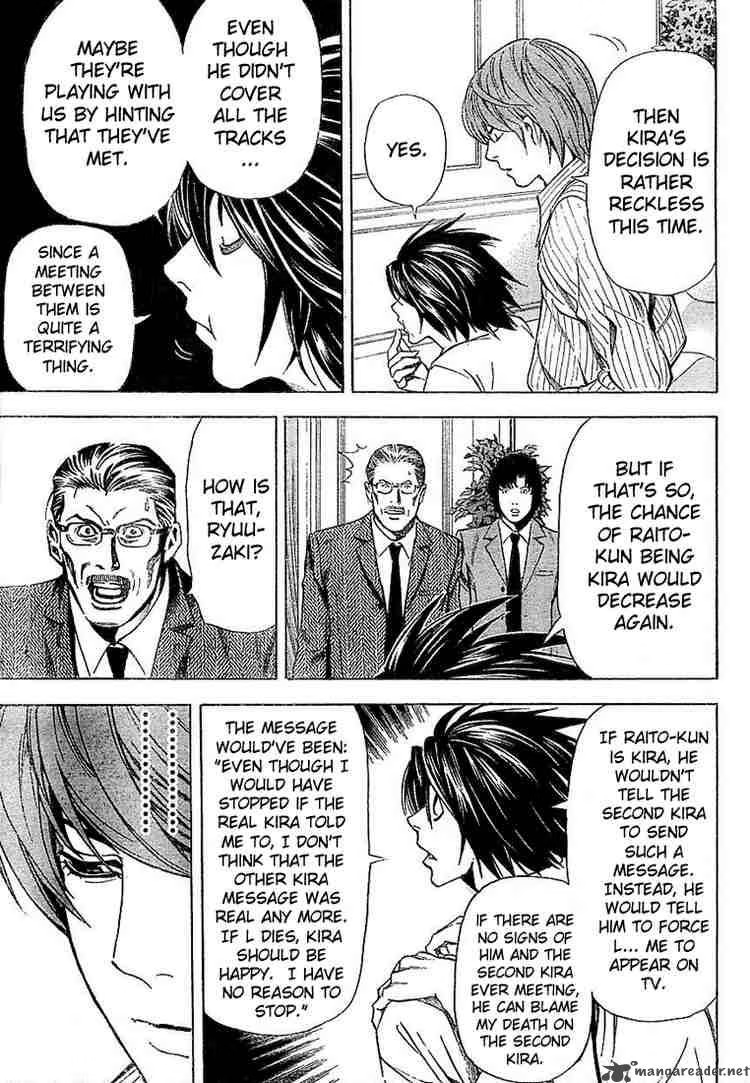
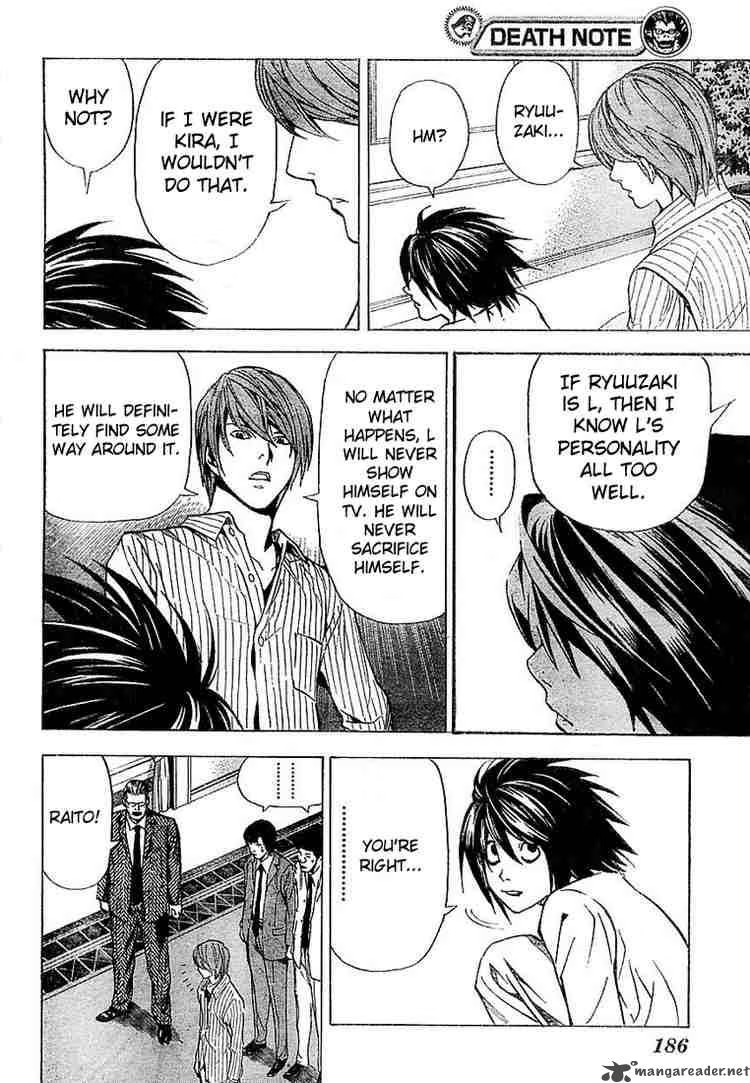
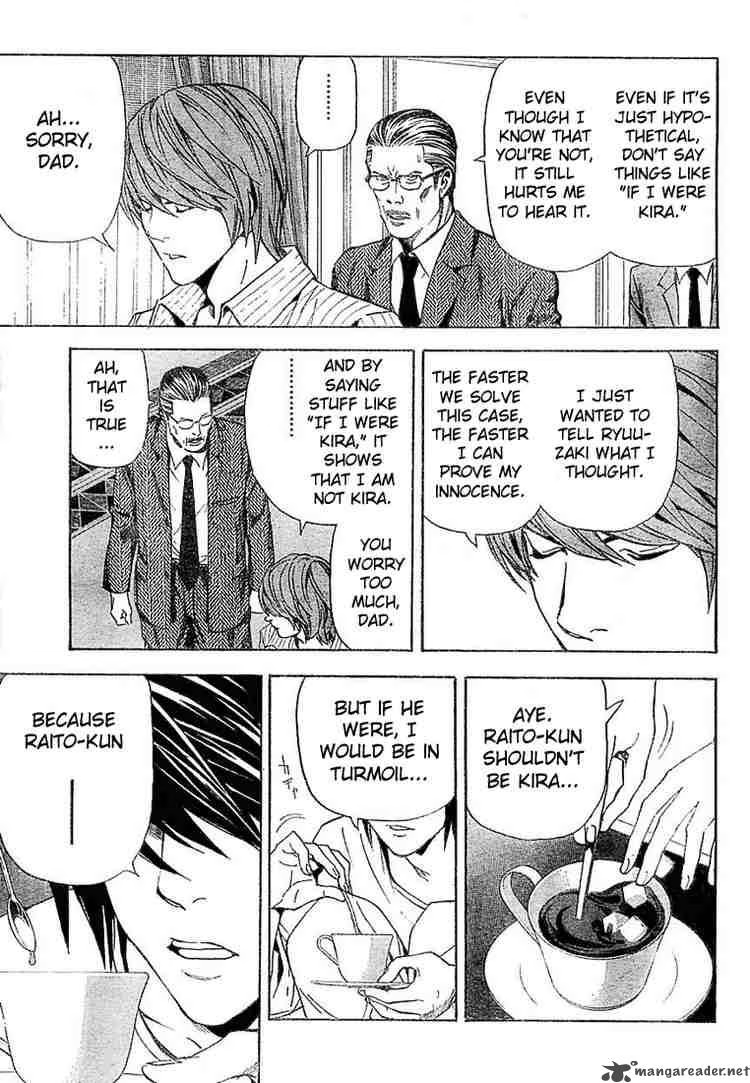
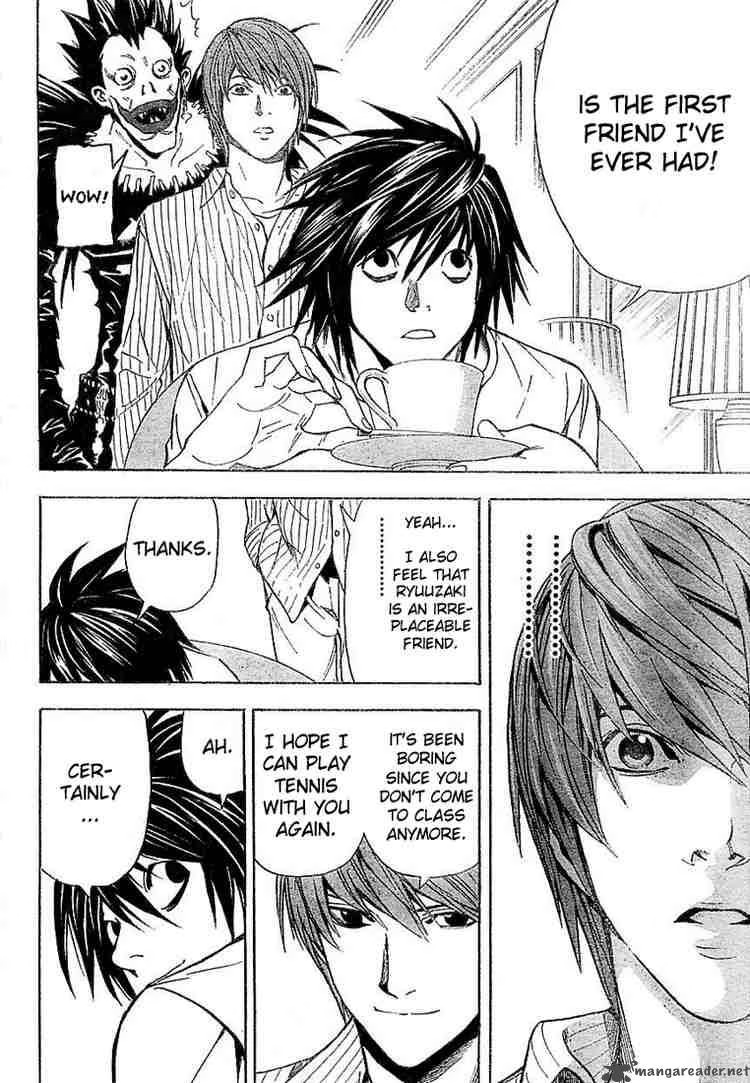
In the gloom‑laden corridors of Death Note, Chapter 31 unfurls like a somber nocturne, its shadows mirroring the fractured psyches of its protagonists. Here the stakes are not merely legalistic but existential: Light Yagami’s god‑complex collides with L’s methodical skepticism, each maneuver a blade sharpened by paranoia and ambition. The chapter’s very title—“Easy”—is a siren’s whisper, a cruel irony that belies the suffocating tension that coils around every exchange, as if the darkness itself were a living, breathing antagonist.
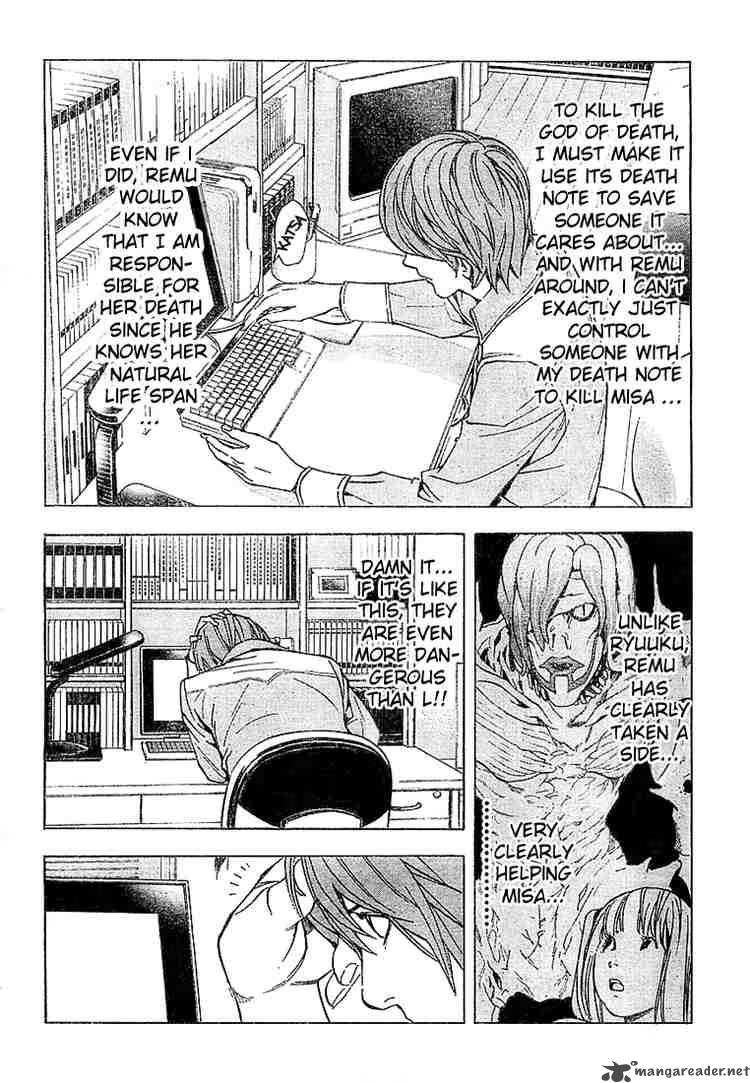
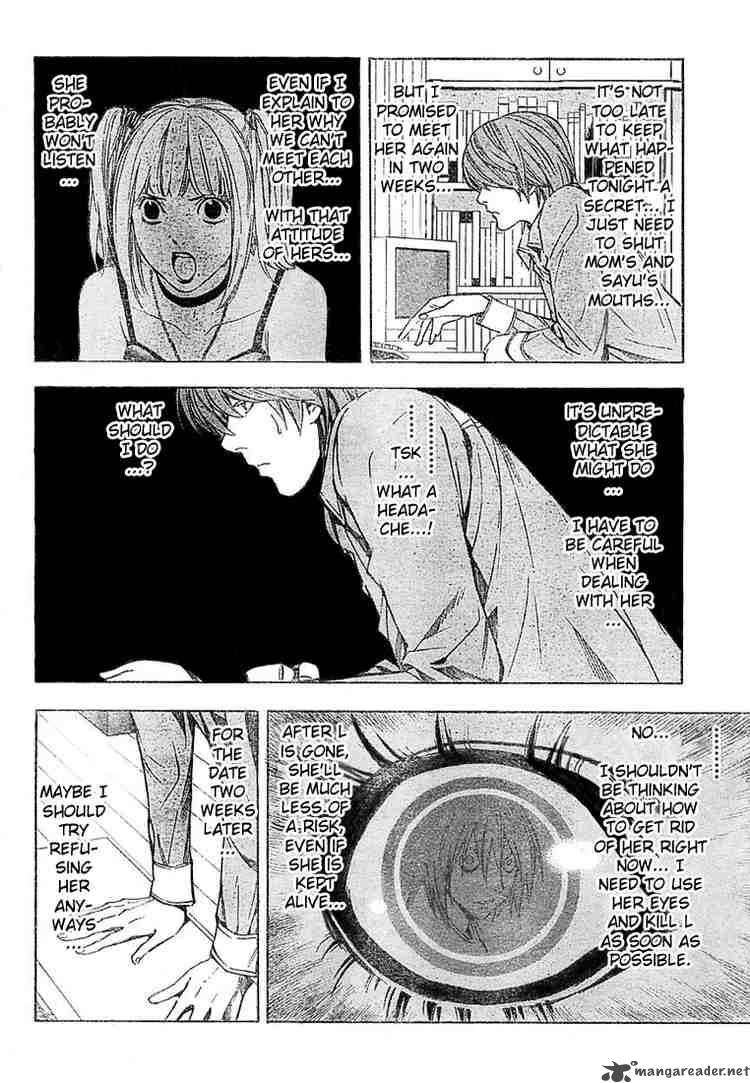
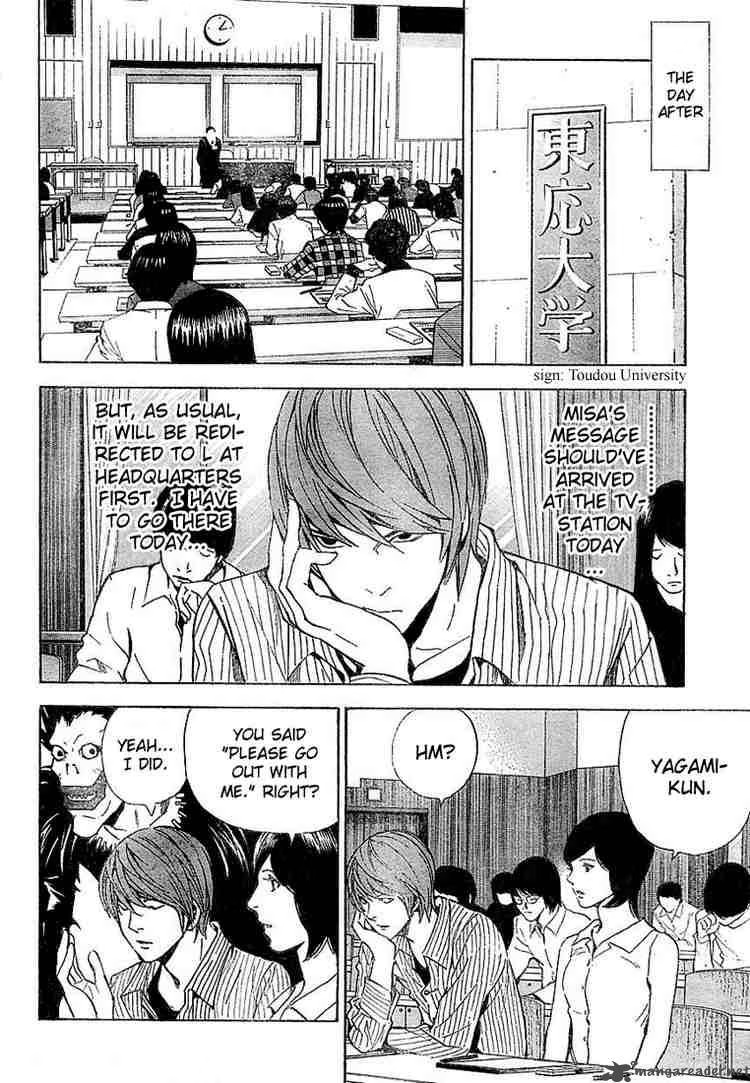
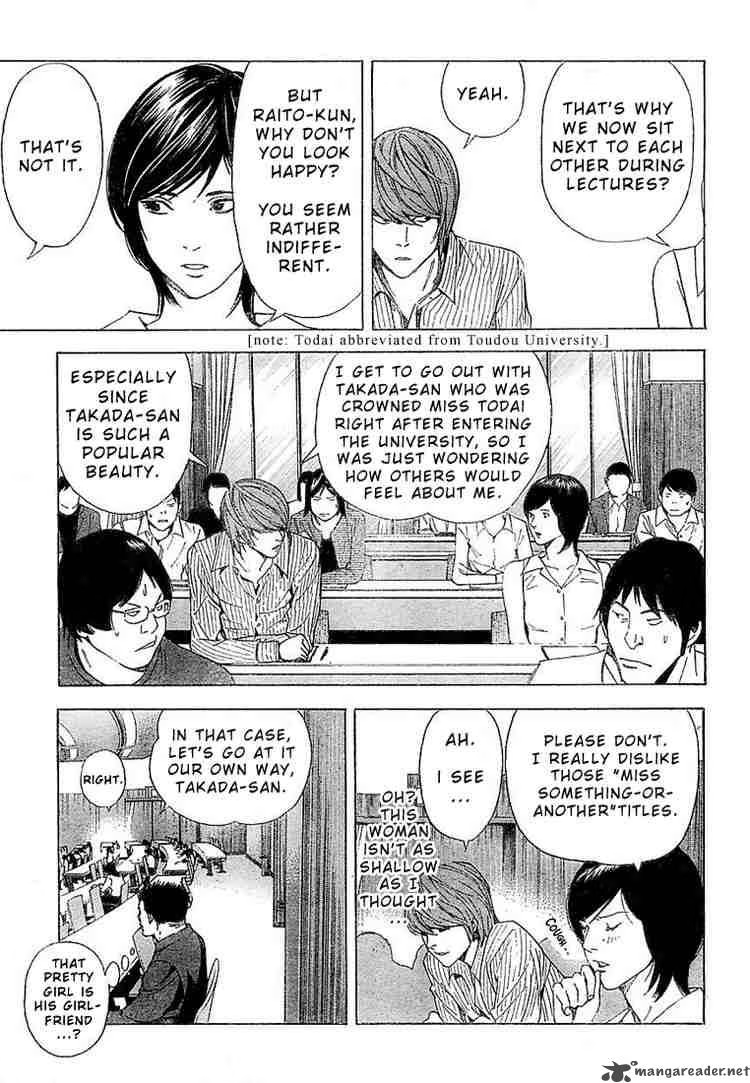
The narrative architecture of this installment is a masterclass in Gothic Noir storytelling. Light, cloaked in the veneer of academic serenity, conducts a clandestine chess match from his dormitory, the dim lamplight casting elongated silhouettes that echo the moral ambiguity of his crusade. His dialogues are laced with a cold, calculated rhetoric that seeks to rationalize murder as a higher jurisprudence, while his inner monologue reveals a fragile ego teetering on the precipice of hubris.
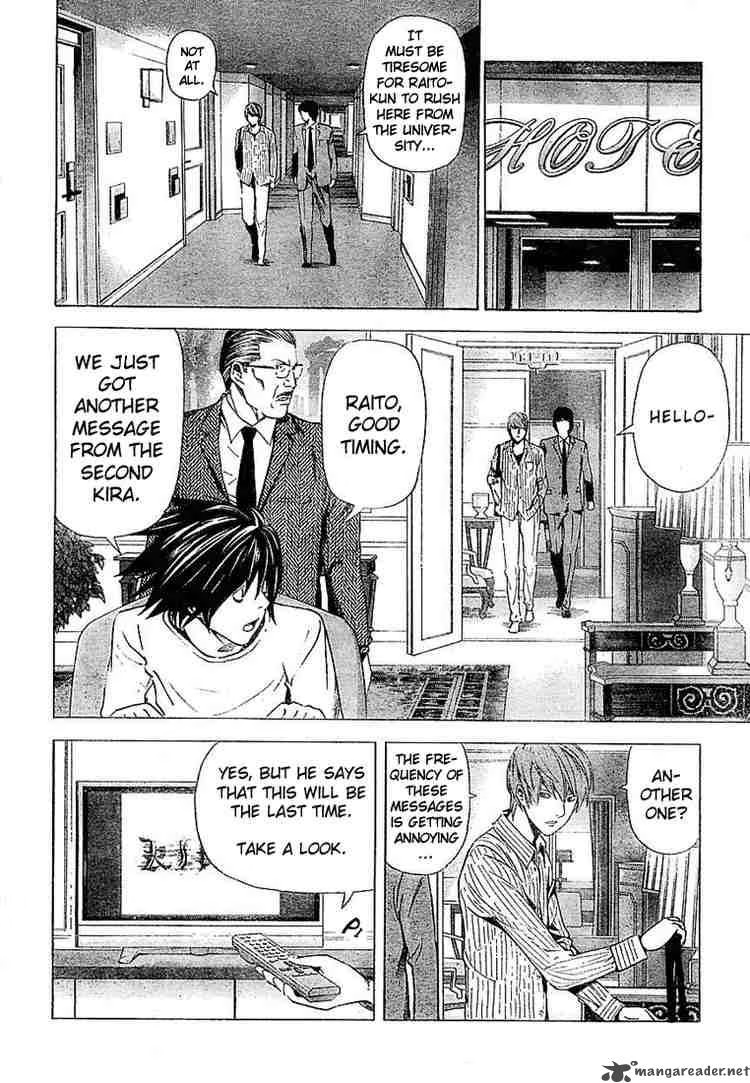
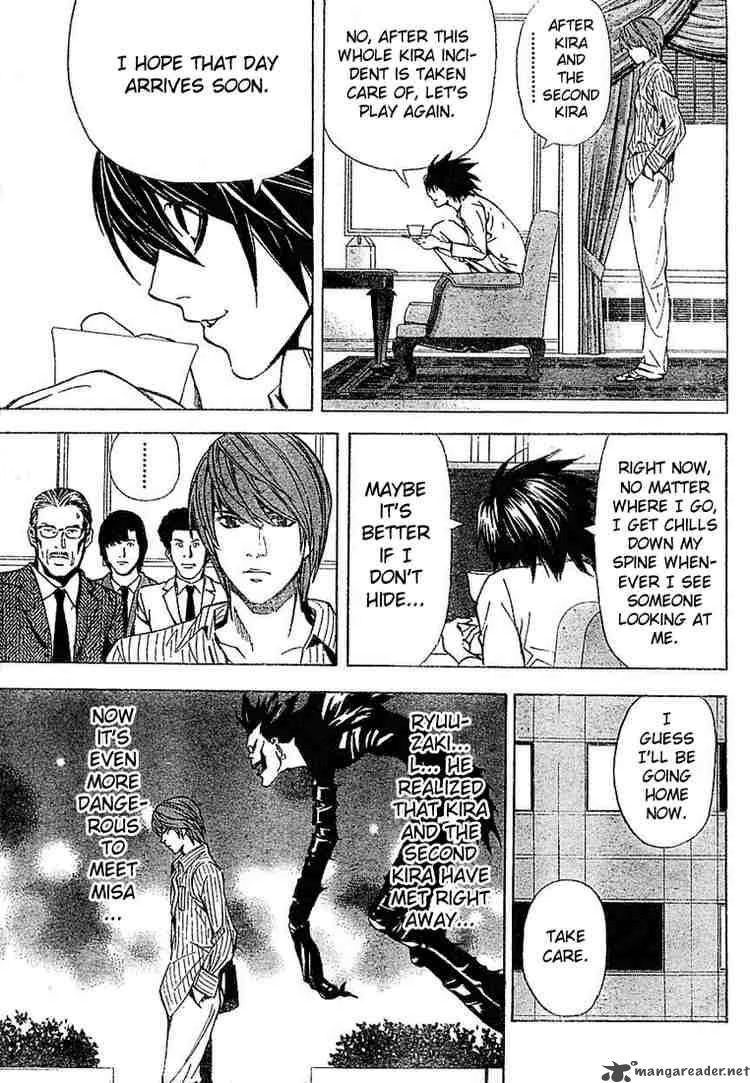
Conversely, L’s investigative tableau is a study in austere brilliance. He occupies the shadowed periphery of the police headquarters, a lone wolf surrounded by a constellation of documents, each piece of evidence a glint of truth in a sea of obfuscation. His deductions are presented with a surgical precision that feels almost ceremonial, each hypothesis stripped of sentiment, leaving only ruthless logic. The stark contrast between Light’s flamboyant theatricality and L’s detached empiricism amplifies the ideological chasm: order versus chaos, rationality versus divine retribution.
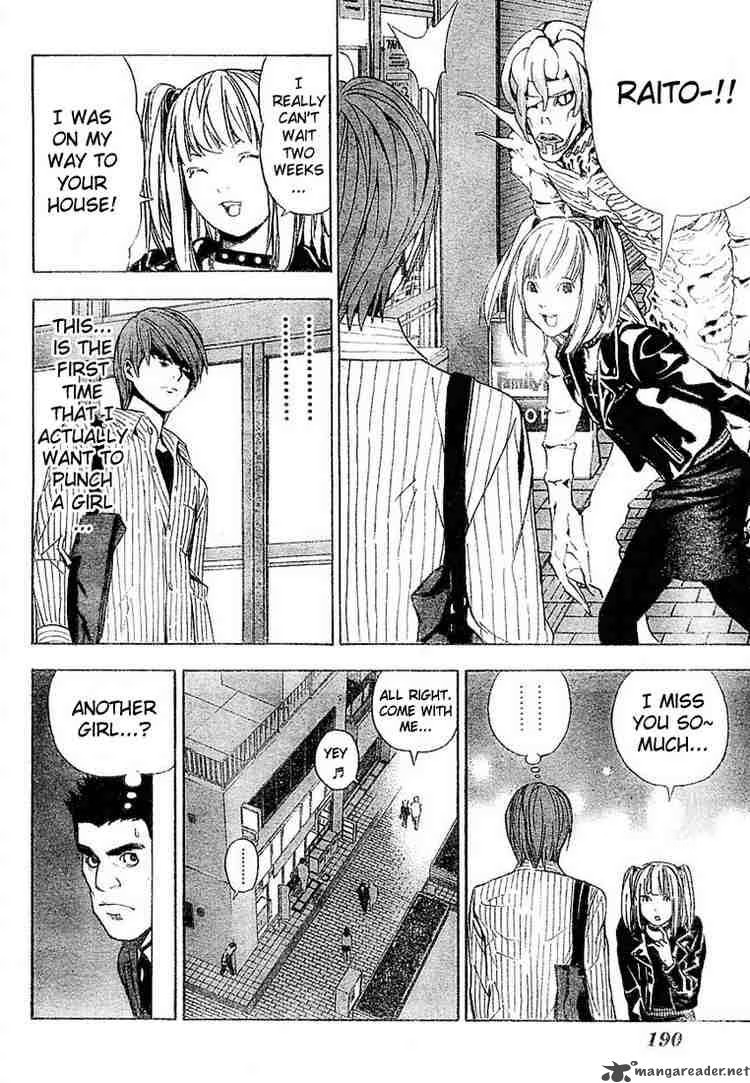
Atmospherically, the chapter bathes the viewer in monochromatic palettes—rain slicked streets, ash‑gray clouds, the perpetual hum of neon that never truly illuminates. The mise‑en‑scene is laced with motifs of decay: cracked windows, flickering bulbs, the ever‑present hum of a city that has forgotten the moral compass. This backdrop not only heightens the psychological claustrophobia but also serves as an external manifestation of the characters’ internal voids.
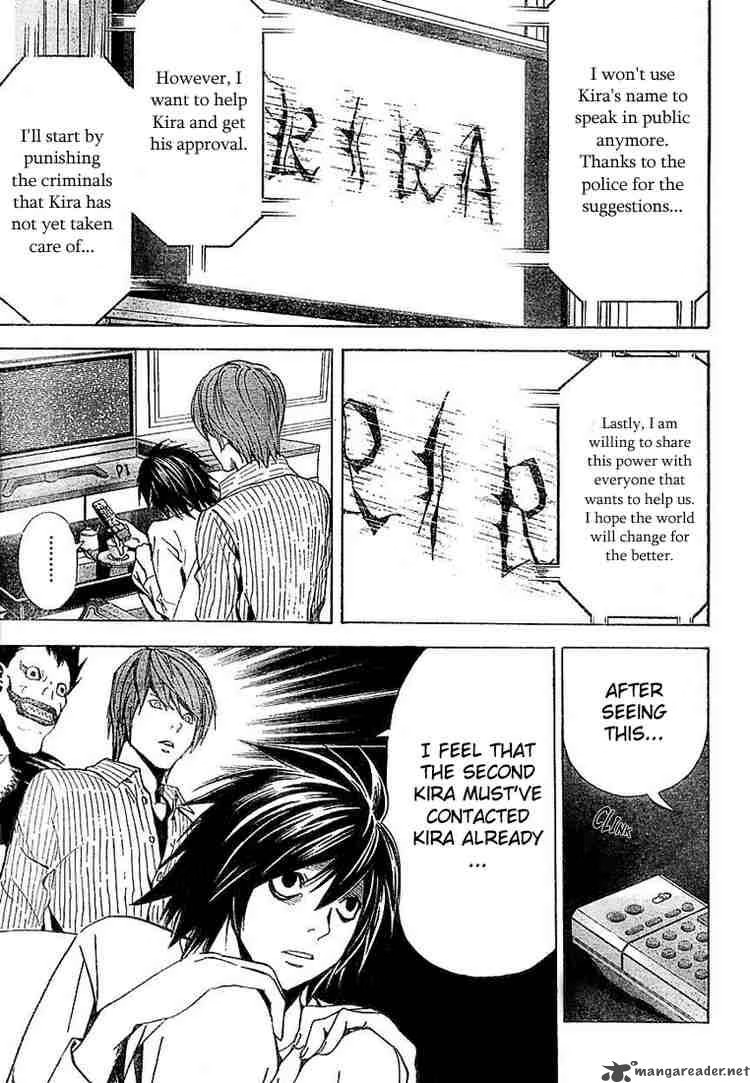
In the climactic exchange, Light’s cunning ploy to manipulate the investigative team’s perception of “easy” evidence is a calculated act of psychological warfare. He exploits L’s obsession with patterns, planting red herrings that lead the detectives into a labyrinth of self‑deception. Yet, L’s awareness of the meta‑game—his ability to anticipate Light’s narrative constructs—creates a palpable tension akin to two duelists poised at the edge of a balcony, each waiting for the other to misstep.
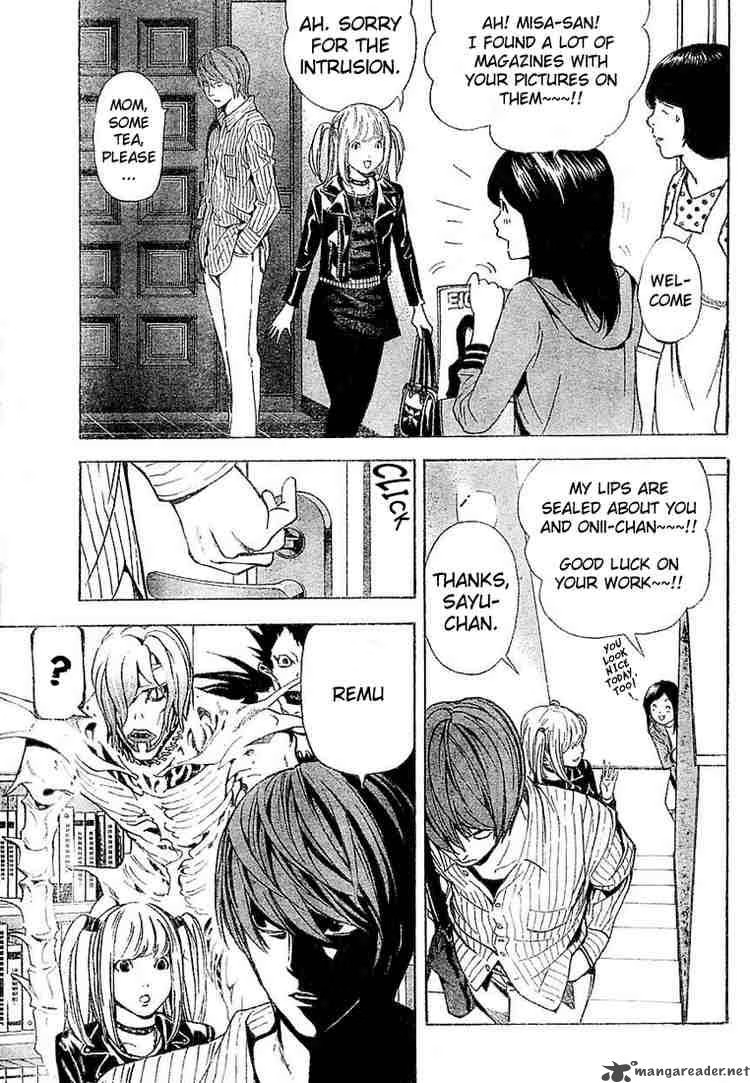
Investigative Takeaway: Chapter 31 crystallizes the perpetual duel between divine ambition and human logic, framing it within a tableau of gothic opacity. Light’s veneer of “ease” is nothing more than a meticulously engineered illusion, while L’s unwavering adherence to deductive rigor transforms the surrounding darkness into a crucible for truth. The episode epitomizes how ideological extremities can masquerade as procedural simplicity, reminding the reader that in the chiaroscuro of moral conflict, the most perilous enemy is often the one who convinces you that the path is “easy.”