ANALYSIS: Chapter 36 “Father”
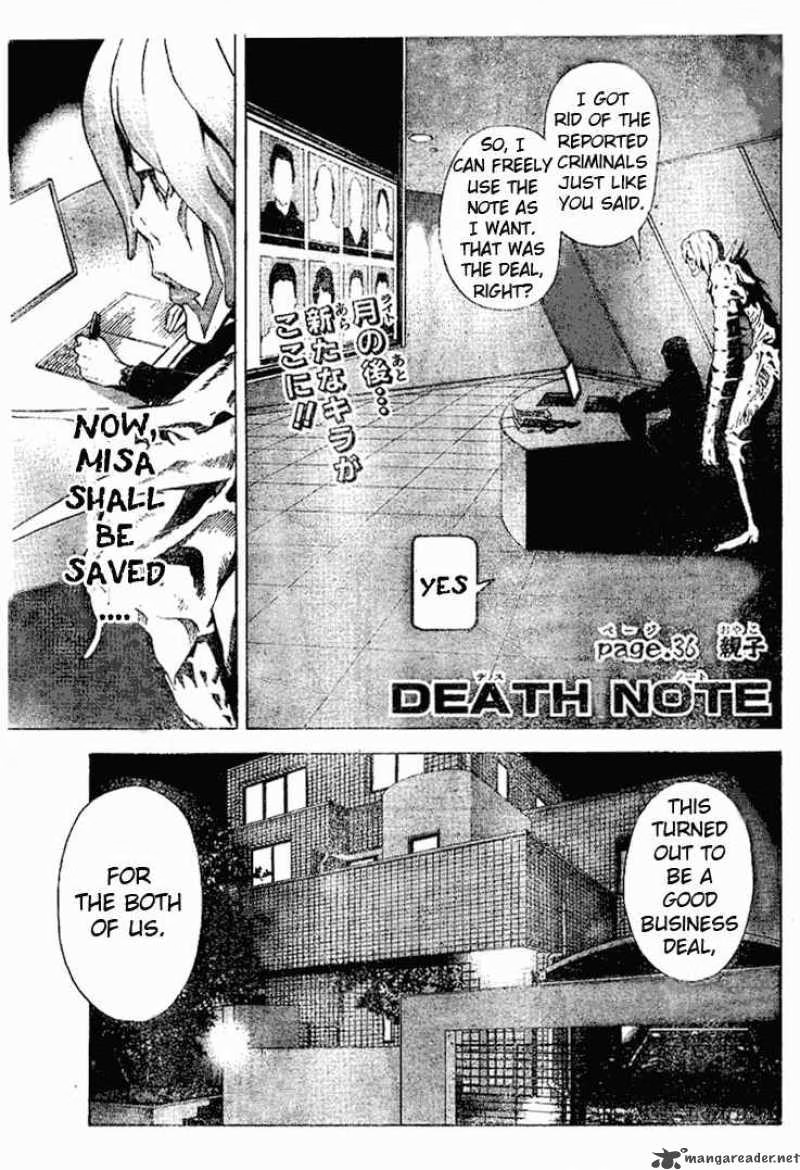
In the looming penumbra of Death Note’s thirty‑sixth chapter, the narrative tightens like a noose around the throbbing hearts of its protagonists. The psychological stakes are no longer a mere chessboard of deductive riddles; they have become an omnipresent, suffocating dread that permeates every shadowed corridor of the Shinigami‑infused world. L’s disintegrating sanity and Light’s burgeoning hubris converge in a chiaroscuro tableau, each breath a tremulous echo of a possible downfall. The chapter’s grim architecture—rain‑slicked streets, flickering streetlamps, and the oppressive claustrophobia of a dimly lit office—mirrors the characters’ internal maelstrom, turning their cerebral duel into a visceral, gothic ballet of light versus darkness.
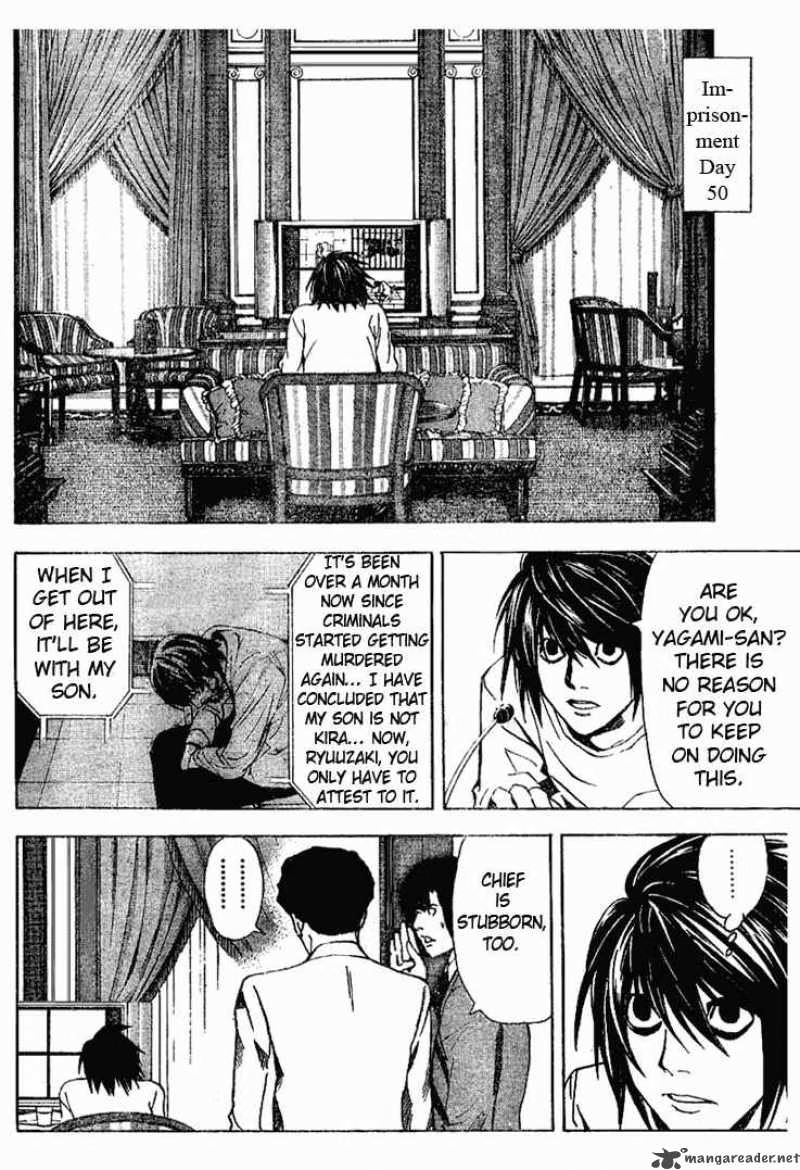
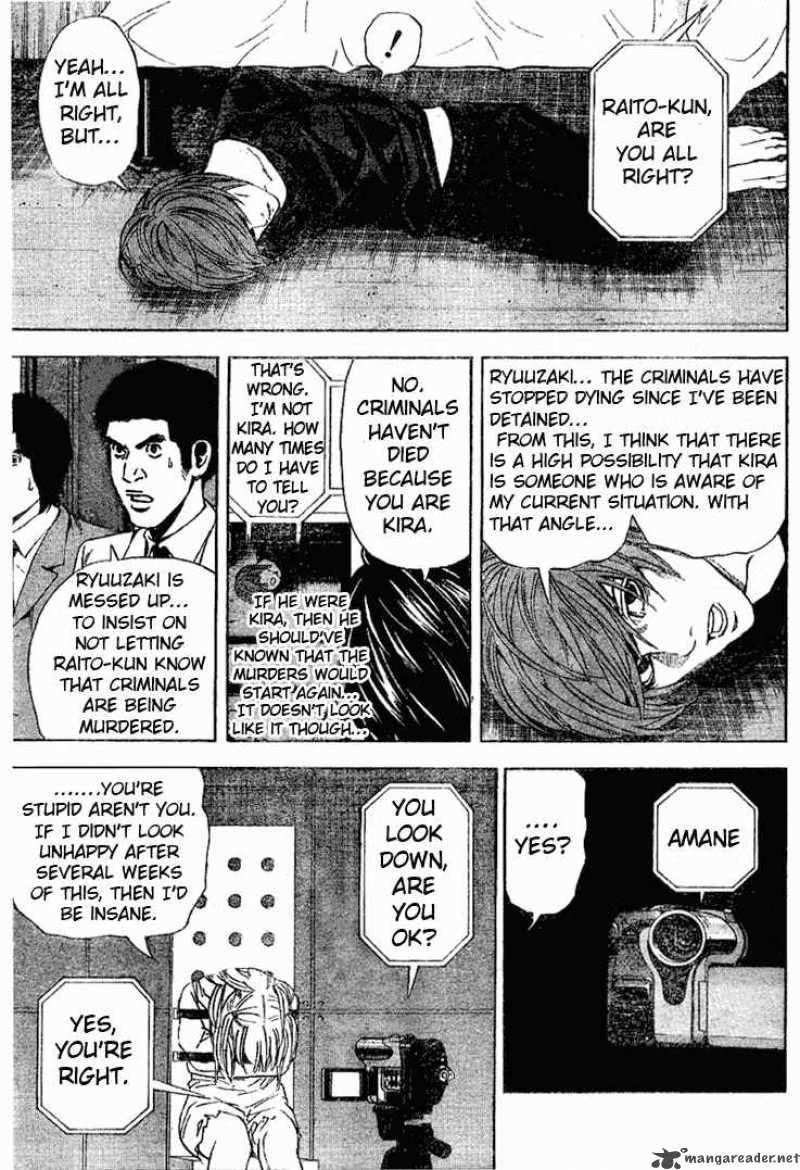
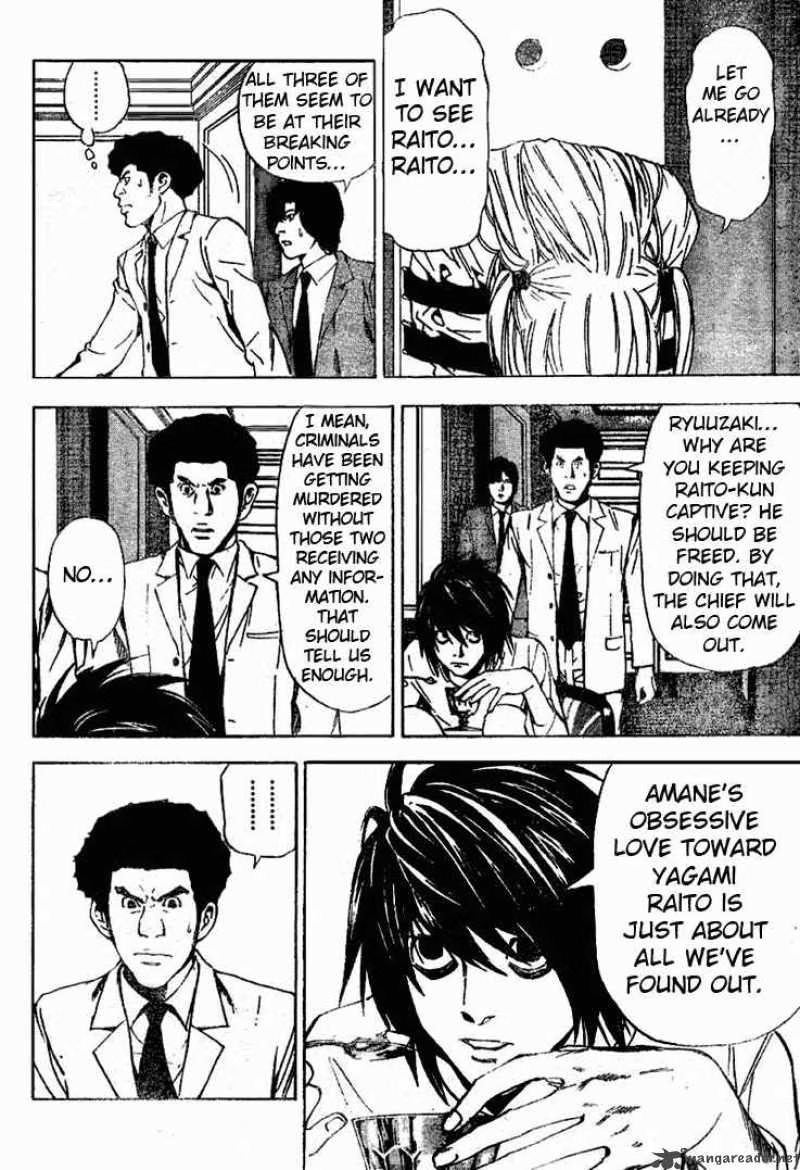
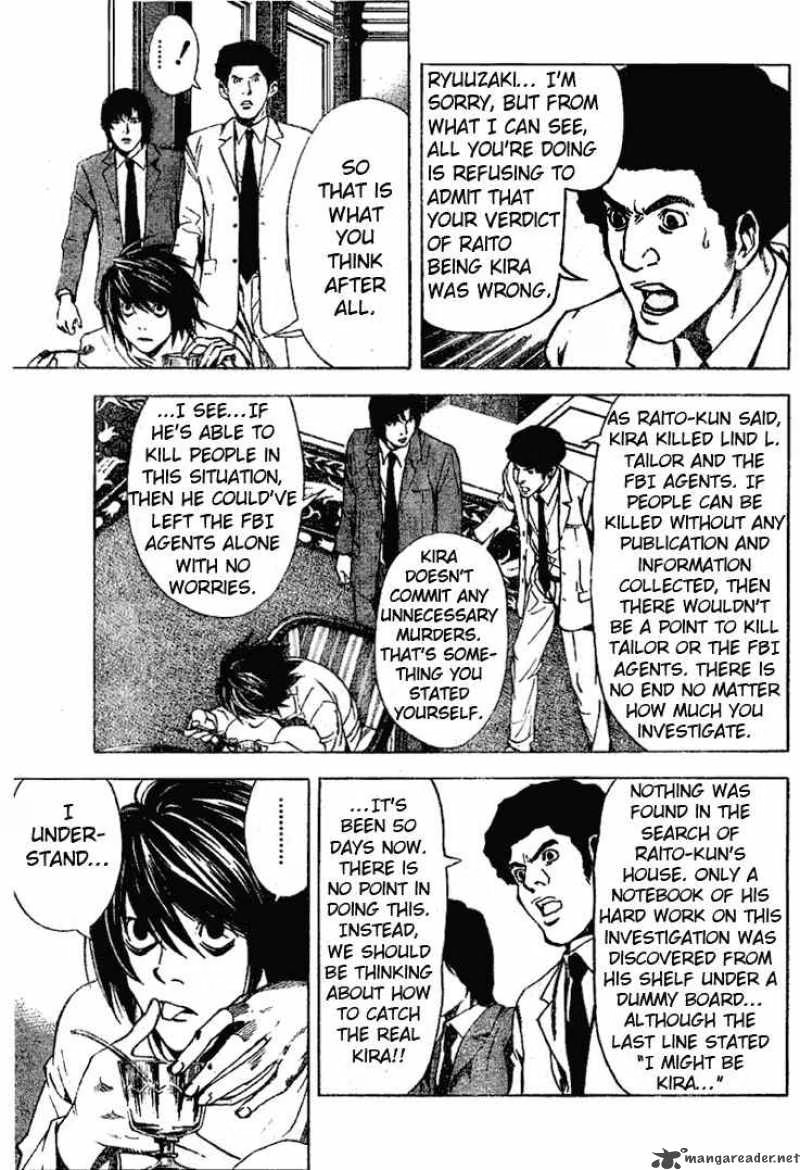
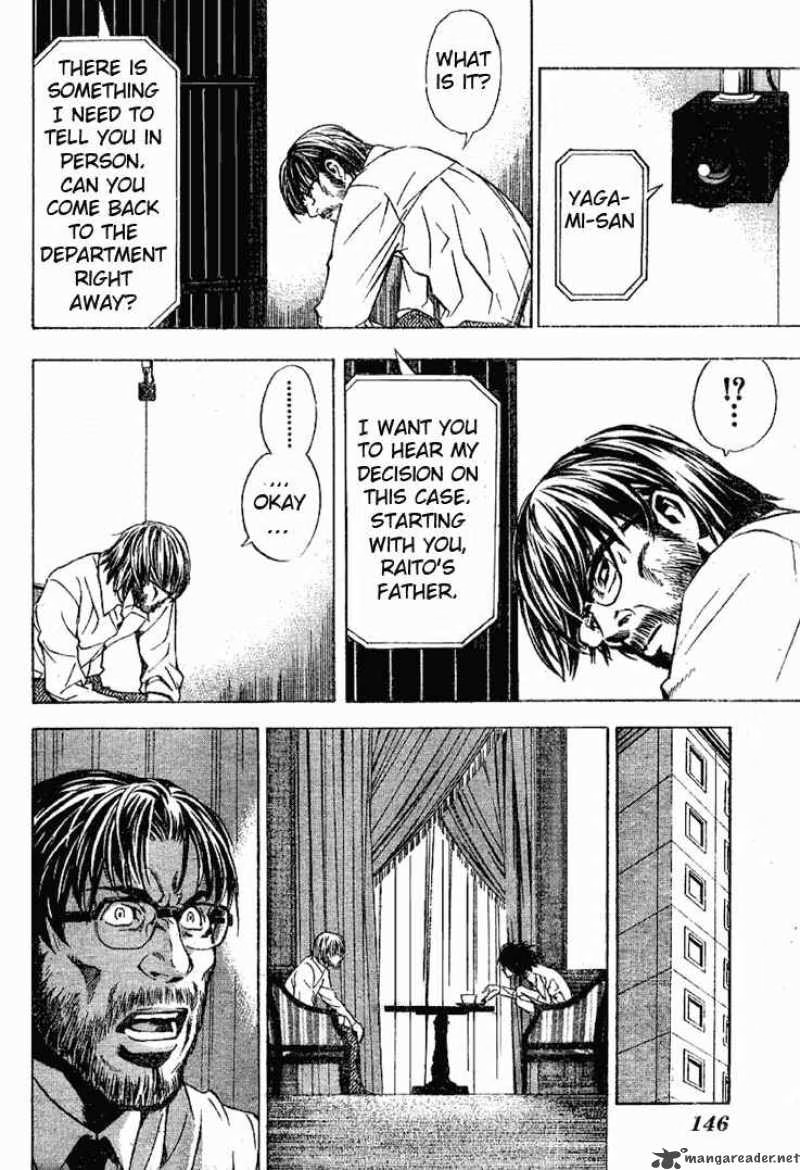
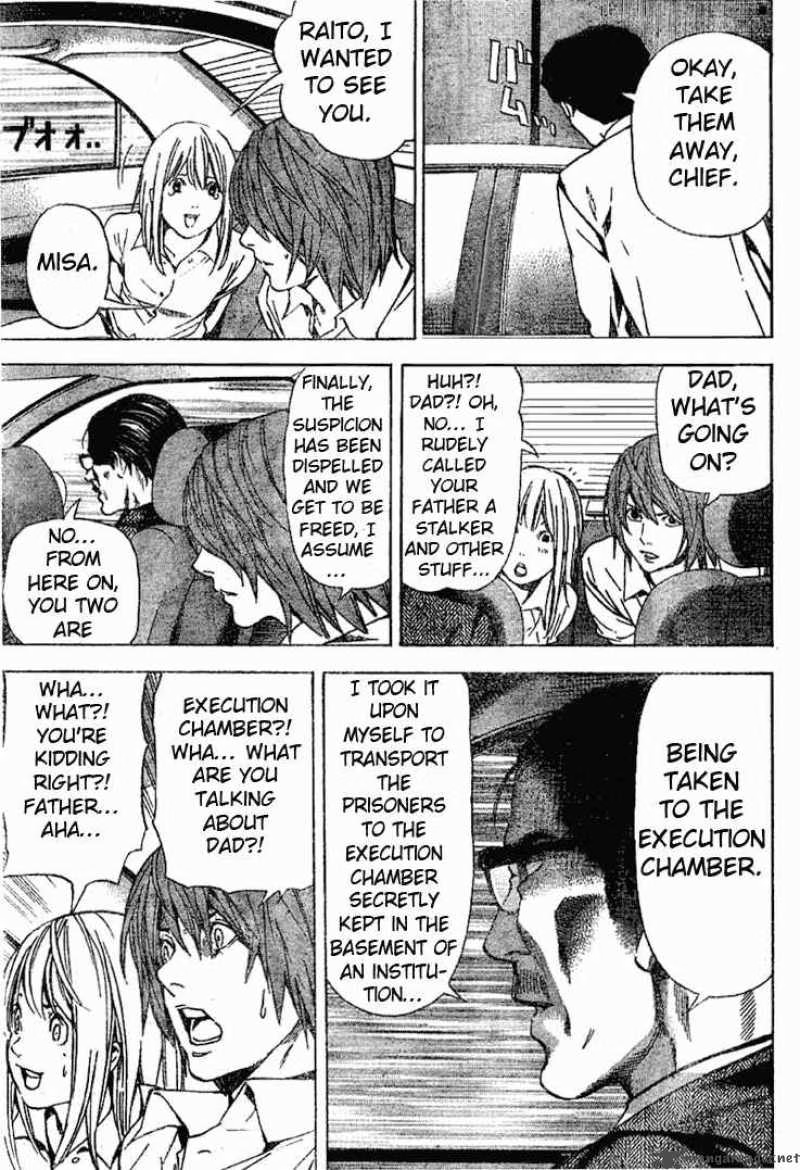
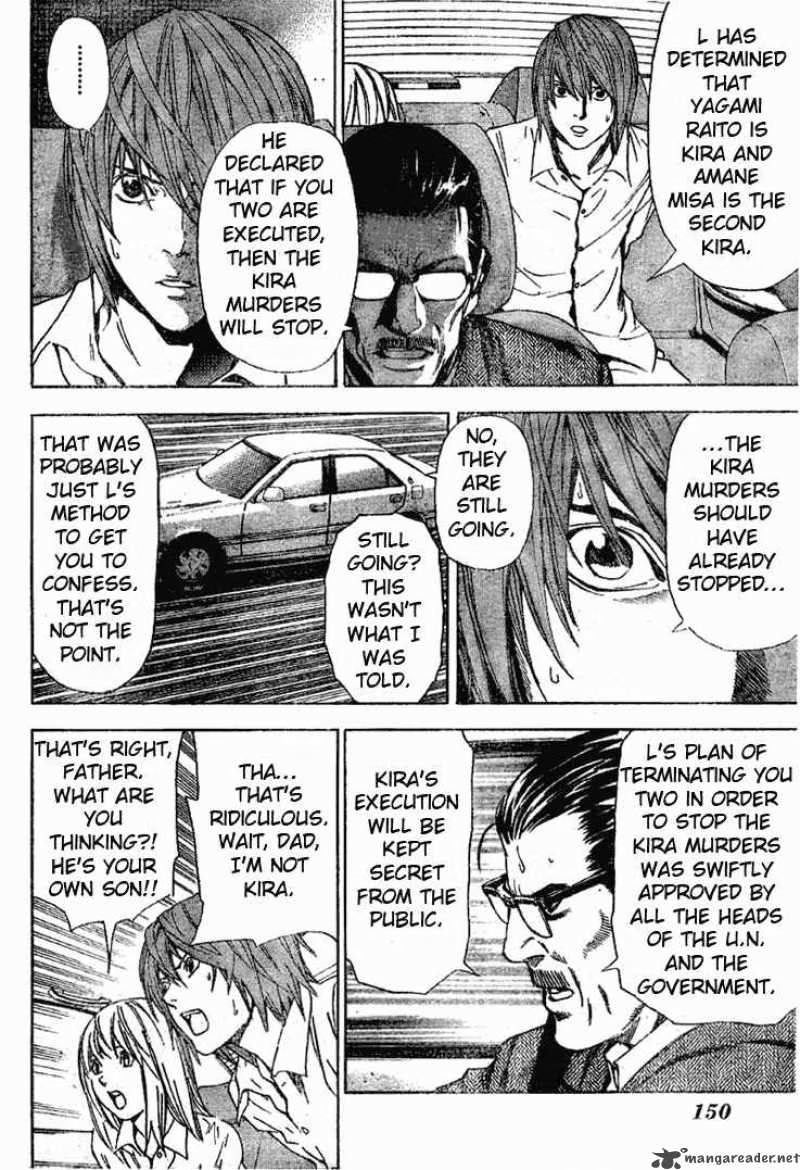
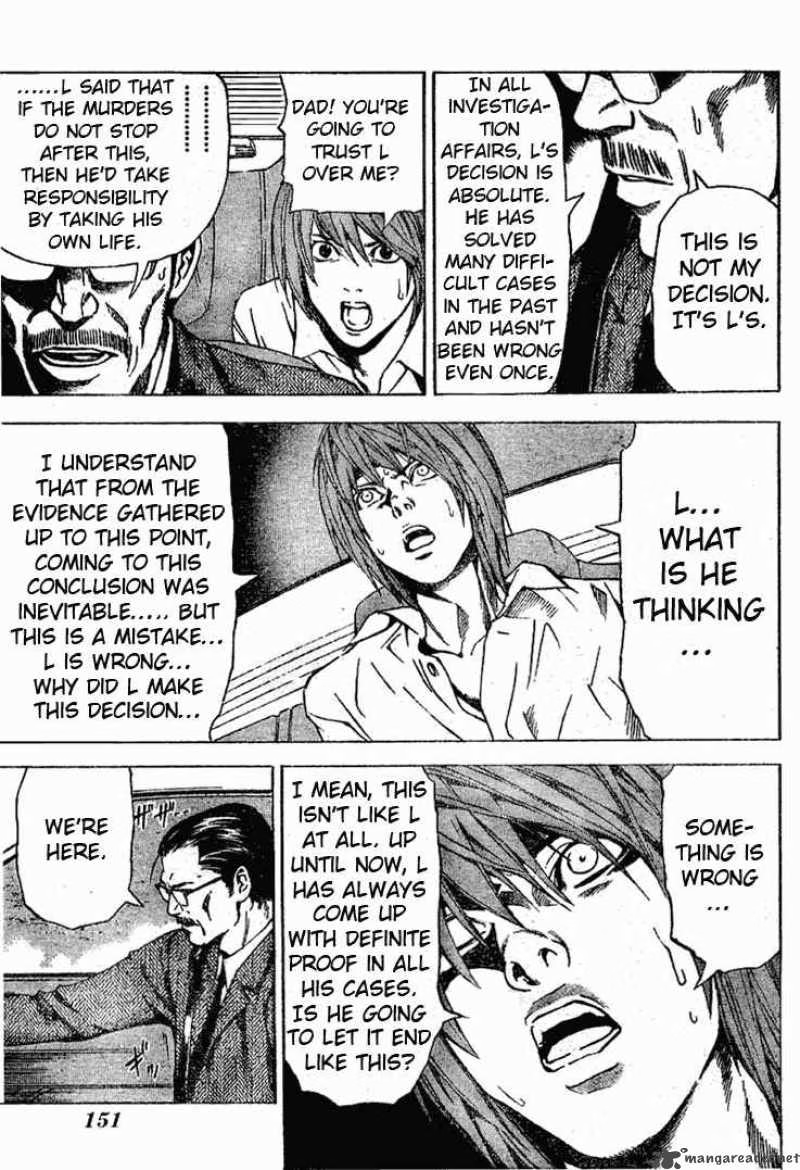
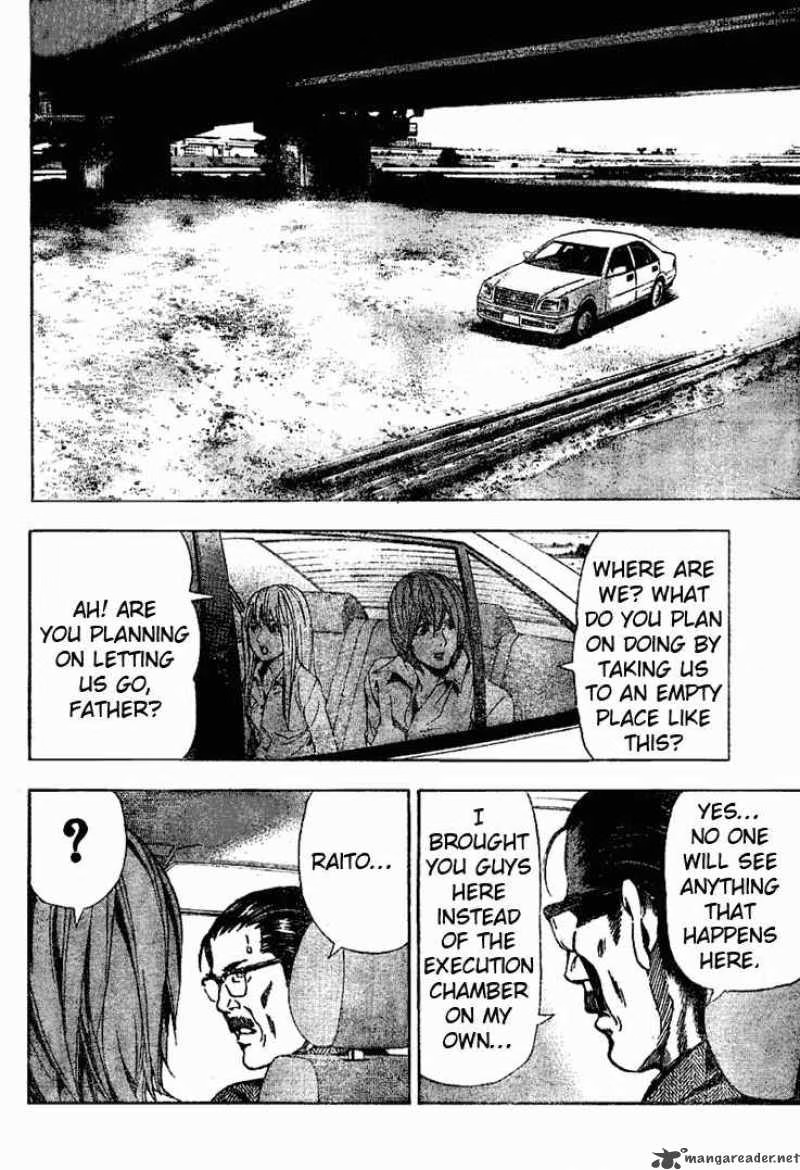
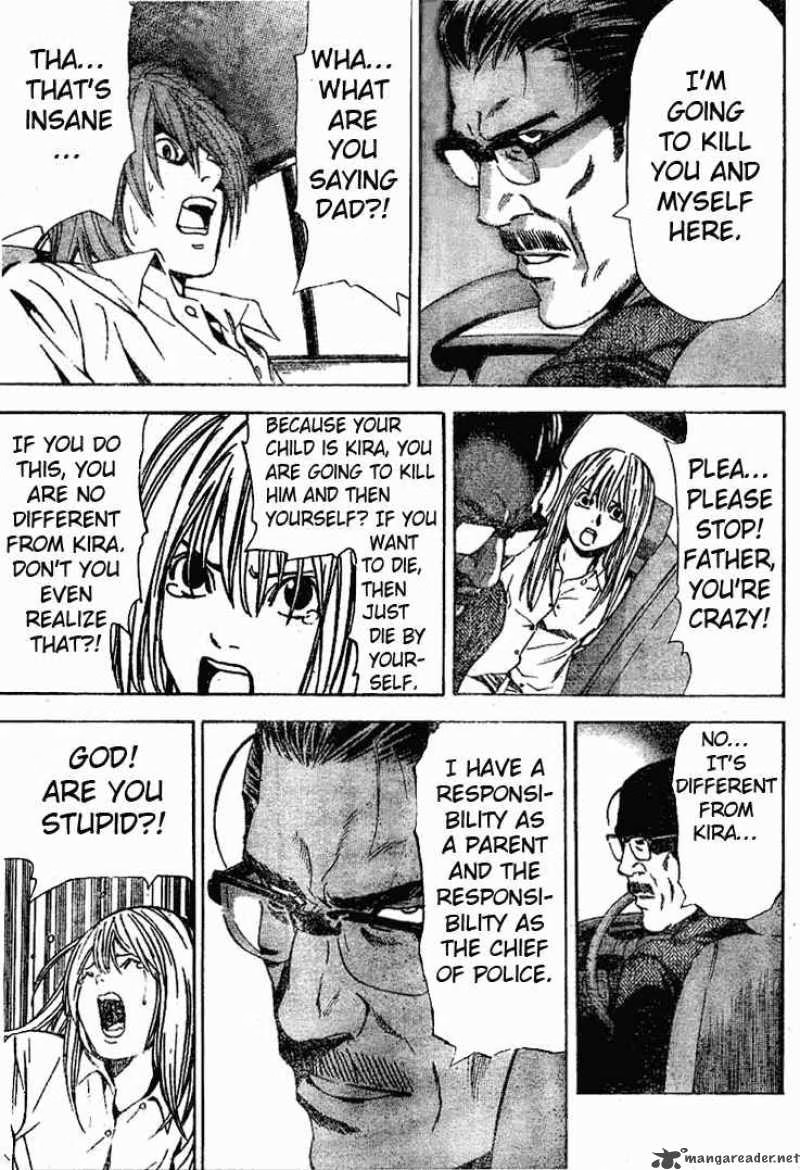
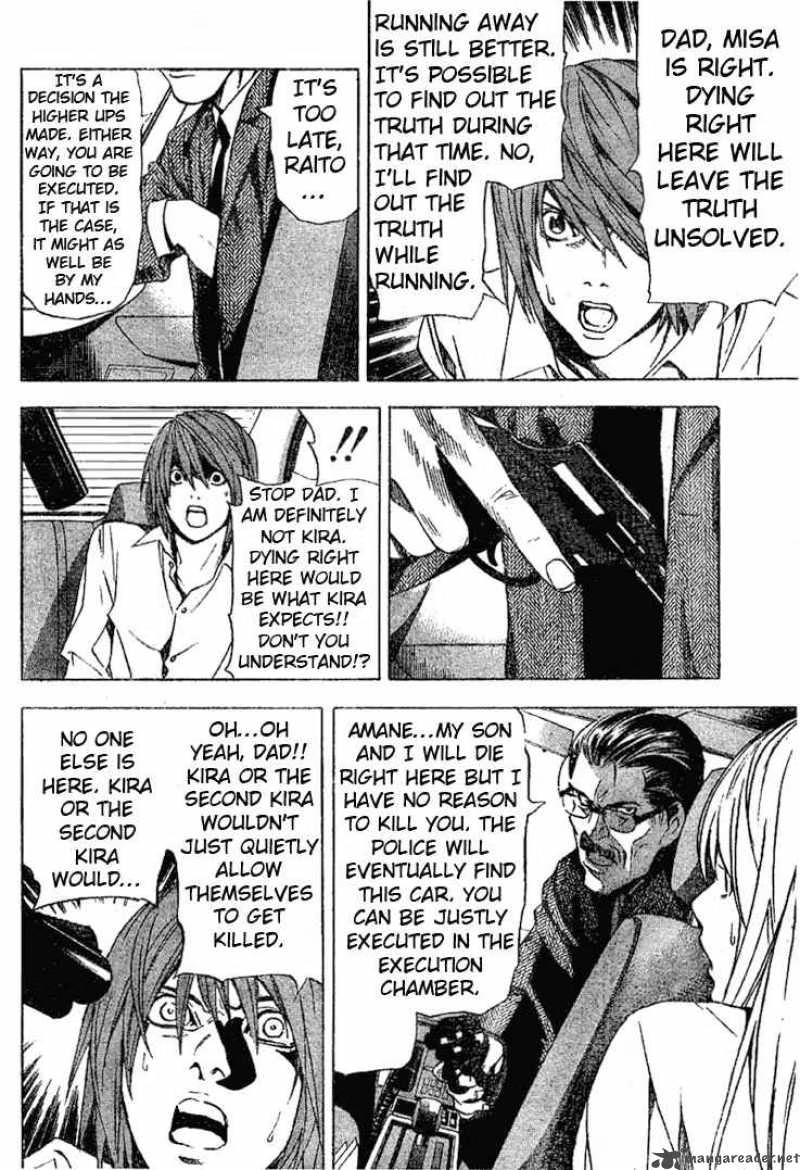
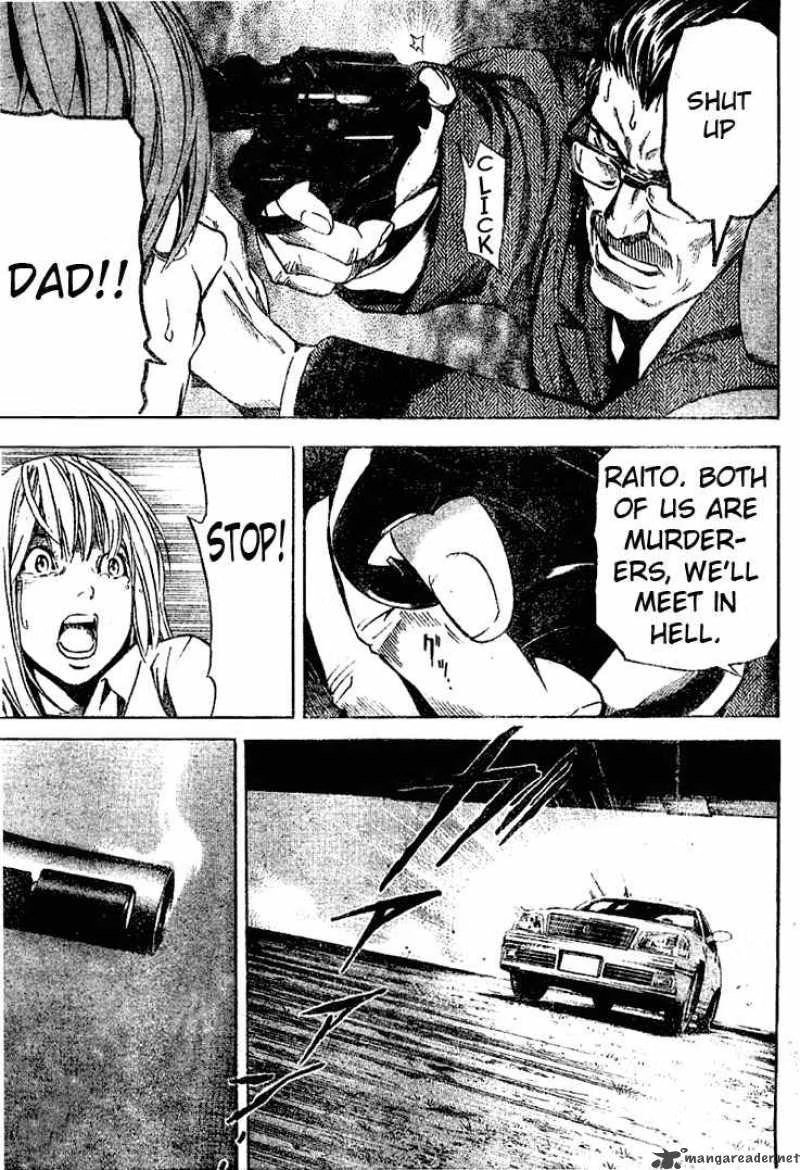
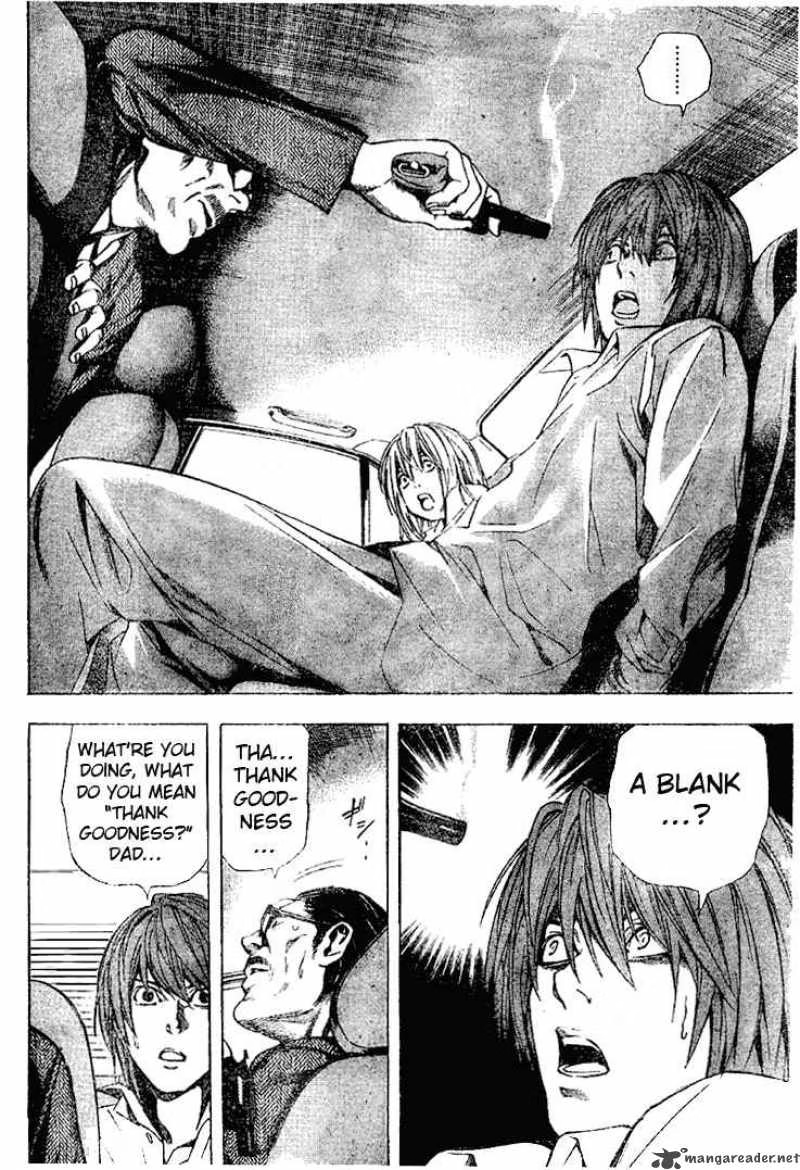
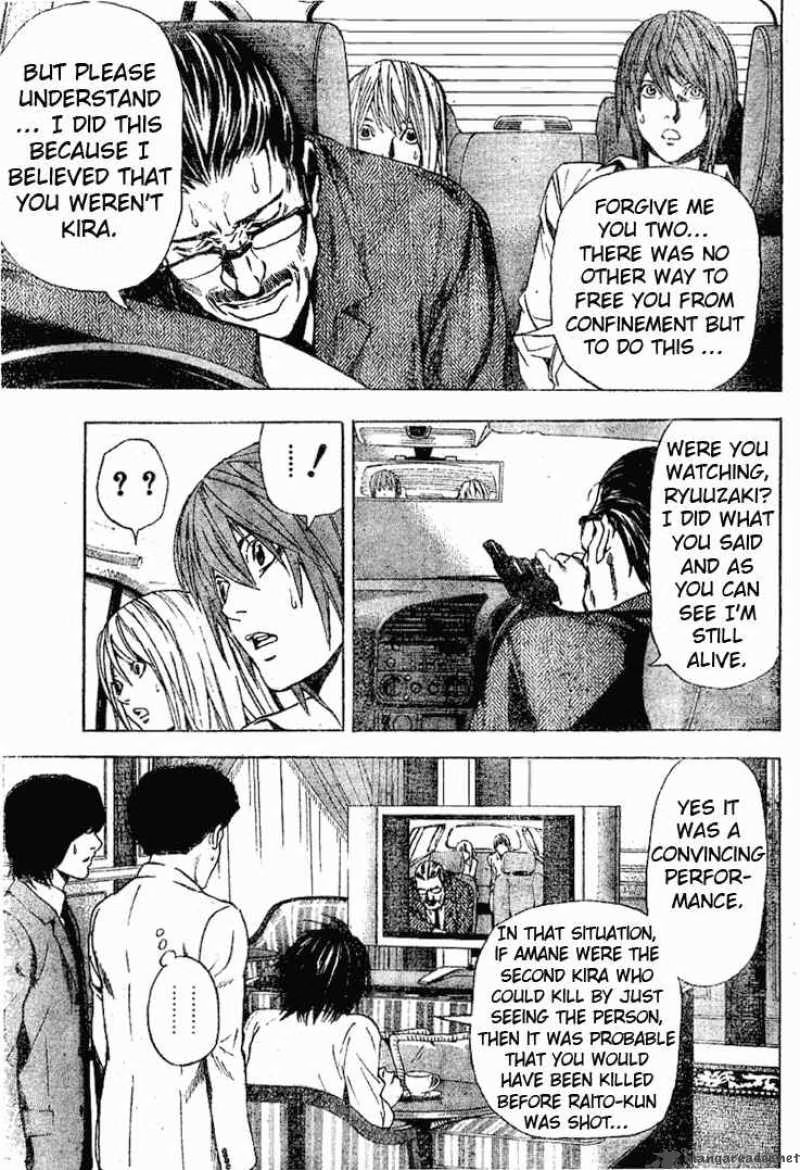
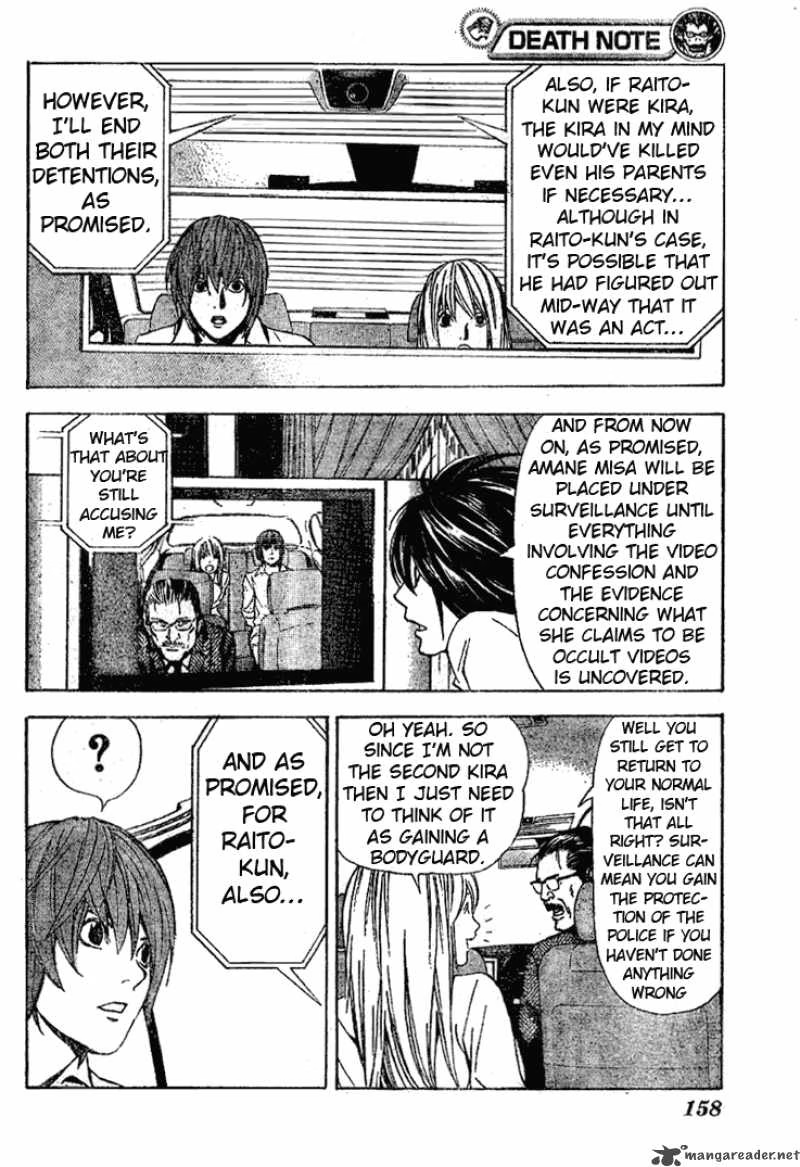
Within this macabre stage, ideology collides with the ferocity of a thunderclap. Light Yagami, an architect of nihilistic order, has rebranded himself as the arbiter of a “new world,” wielding the Death Note like a scalpel to excise perceived impurity. Conversely, L, the enigmatic detective, clings to the principle that law—no matter how flawed—must be upheld, even if it means confronting a deity-figure of his own making. In “Father,” the clash sharpens: Light’s calculated cruelty is juxtaposed against L’s desperate improvisation as he scrambles to compel the reluctant “father” figure, Soichiro Yagami, to betray his son. The tension is not merely intellectual; it is a fevered, almost sacramental conflict where each man must sacrifice a fragment of his humanity to secure victory.
The atmospheric texture of the chapter is steeped in gothic noir tropes—rain that hisses like whispered confessions, candlelight that trembles as if haunted by unseen specters, and corridors that seem to stretch into infinitude, reflecting the endless moral labyrinth the protagonists navigate. The visual motif of shattered glass serves as a metaphor for fractured identities: Light’s immaculate façade splinters under the weight of his own hubris; L’s composed veneer cracks as he confronts his mortality. Every panel is suffused with a chiaroscuro palette that amplifies the psychological dissonance, making the reader feel the cold metallic taste of fear that lingers in the air.
The chapter’s narrative mechanics also employ a masterful orchestration of tension through pacing. The deliberate, almost cinematic pauses—silences as thick as the night fog—forge an anticipatory dread. Each revelation—Soichiro’s reluctant confession, Light’s cold acknowledgment of the inevitable—unfolds like a slow‑burning pyre, feeding the inexorable descent toward climax. The interplay of dialogue and silence becomes a dialectic duel; where words are weapons, and the absence of them, the deadliest silence.
Investigative Takeaway: Chapter 36 crystallizes the gothic ballet of ideology and psyche that defines the Kira‑L conflict. Light’s god‑complex makes him both executioner and execution, while L’s relentless pursuit forces him into a crucible where moral certainty shatters. The atmospheric dread—rain, shadows, fractured glass—does more than set the mood; it externalizes the internal war that will ultimately decide whose vision will dominate the world’s darkness. In this bleak tableau, the only certainty is that each step forward drags both men deeper into the abyss they have fashioned, rendering the outcome as inevitable as the night’s inexorable fall.